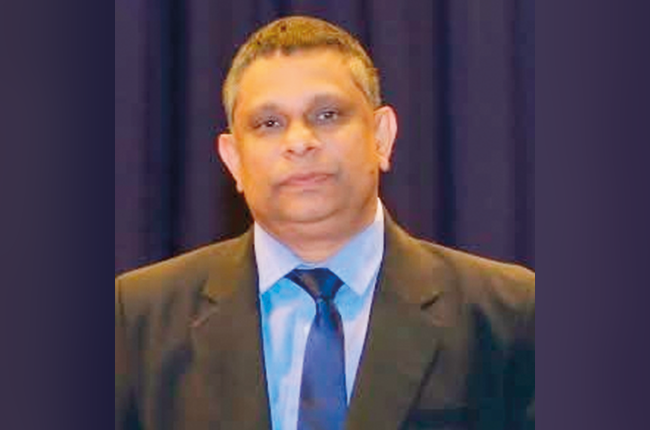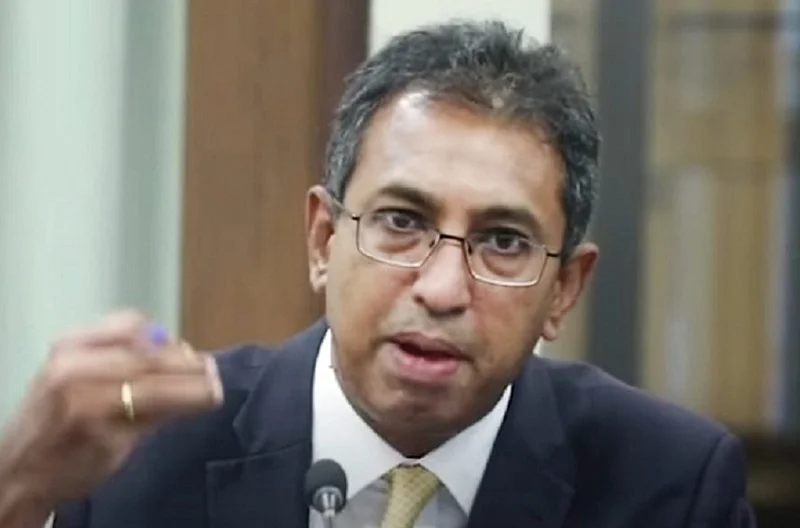
The fraud pattern uncovered at National Development Bank has spread to involve five to seven other commercial banks and up to nine non-banking financial institutions, opposition MP Ravi Karunanayake warned parliament in a privilege issue raised this week.
Karunanayake, a former finance minister now representing the NDF in opposition, accused the Central Bank of Sri Lanka of a “systematic failure of accountability” that allowed the irregularities to proliferate beyond NDB. He charged that CBSL and relevant authorities engaged in a “serious and continuing obstruction” of his parliamentary duties by refusing to answer questions he described as being of “critical national importance” for several months.
“Questions remain unanswered, neither at parliament nor adequately responded at committee proceedings,” the legislator said, escalating his earlier scrutiny of CBSL’s supervisory role in the NDB case.
The accusations build on Karunanayake’s Thursday intervention where he pointed out that billions of rupees had left the country through the NDB system without triggering central bank flags. He also raised a potential conflict of interest: CBSL manages the Employees’ Provident Fund, which holds NDB Bank shares, meaning the regulator has a financial stake in the institution it is supposed to supervise.
The NDB fraud was first disclosed in January at Rs. 380 million before being revised to Rs. 13.2 billion on April 6. Four suspects have been arrested by the CID, Interpol experts have been called in to assist, and a parliamentary house committee has declared it a “serious breach” of the banking system.
Karunanayake’s claim that the fraud model has replicated across other institutions marks the most significant escalation in the case since the gross fraud quantum was revised. Neither CBSL nor any of the institutions named have publicly responded to the allegation.