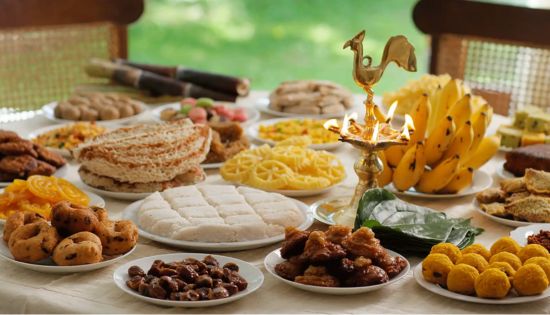
The cost of preparing a traditional “kevili” table for the Sinhala and Tamil New Year has risen 7% in 2026 compared with 2025, and is now 2.5 times higher than in 2019, according to a new analysis by Verité Research published on its PublicFinance.lk platform.
The think tank found that six of the eight items typically served at an Avurudu kevili table — milk rice, kokis, bananas, aluwa, kevum, dodol, mun kevum and butter cake — are more expensive than last year. Nearly 80% of the 2026 increase is driven by higher coconut oil and rice flour prices, both staple ingredients in most of the traditional recipes.
The 2019 baseline predates both the pandemic and the 2022 economic crisis that collapsed the rupee and wiped out household purchasing power. That the kevili basket has not recovered — and is in fact 150% more expensive than seven years ago — underscores how deeply food inflation has embedded itself in everyday Sri Lankan life despite headline inflation easing back to low single digits.
Verité Research built its cost model on recipes from the popular “Appe Amma” YouTube channel, assuming a household of four to five persons and excluding utilities and spices. Price data was drawn from the Department of Census and Statistics’ weekly open-market retail prices for the Colombo district, comparing April 2019, March 2025 and March 2026.
The findings land days before the New Year on April 13–14, when kevili tables are a centrepiece of family celebrations across Sinhala and Tamil households. They also add to a broader cost-of-living squeeze this month that has already seen LP gas prices raised and banquet catering charges climb 15–20%.