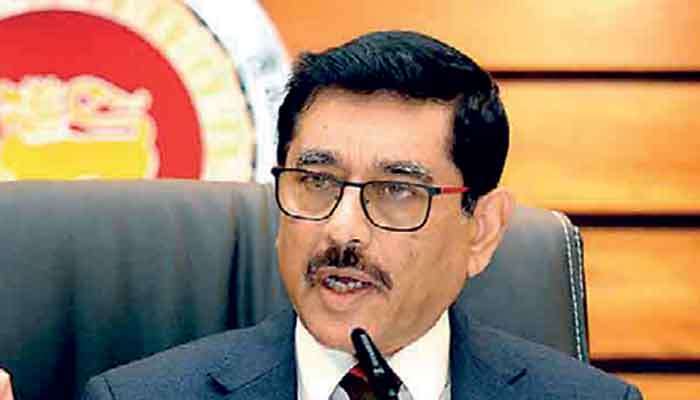
The Central Bank of Sri Lanka will impose mandatory mergers on banks that fail to strengthen their balance sheets under the regulator’s consolidation framework, Governor Dr. Nandalal Weerasinghe has warned. The signal comes as the Rs. 13.2 billion NDB Bank fraud has heightened scrutiny of governance across the sector.
“Within the next couple of years, if banks are not moving and strengthening their balance sheets and ratios to a certain level, there will be no choice,” the Governor said.
The CBSL framework takes a three-pronged approach. State banks will be consolidated with larger counterparts to improve competitiveness, with smaller institutions absorbed into bigger ones. Private sector banks face capital and balance sheet targets; non-compliance will trigger regulator-mandated mergers. Foreign banks are being encouraged to expand capital deployment and broaden their participation beyond niche operations.
Weerasinghe did not specify how many banks Sri Lanka should ultimately have, but signalled that the current structure of multiple small and mid-sized institutions cannot continue. Sri Lanka has roughly two dozen licensed commercial and specialised banks for a $90 billion economy, a density widely viewed as unsustainable.
Fitch Ratings called the consolidation push “broadly credit-positive” for the sector’s long-term resilience, citing improved economies of scale and stronger capital buffers. Rating analysts noted that smaller institutions face the greatest pressure under the framework.
The push lands against the backdrop of the NDB Bank scandal, in which CBSL has already suspended dividend payments and branch expansion at the lender. The fraud, which the bank now estimates at Rs. 13.2 billion, has accelerated political support for tighter regulatory action and given Weerasinghe the cover to move from voluntary persuasion to mandatory enforcement.