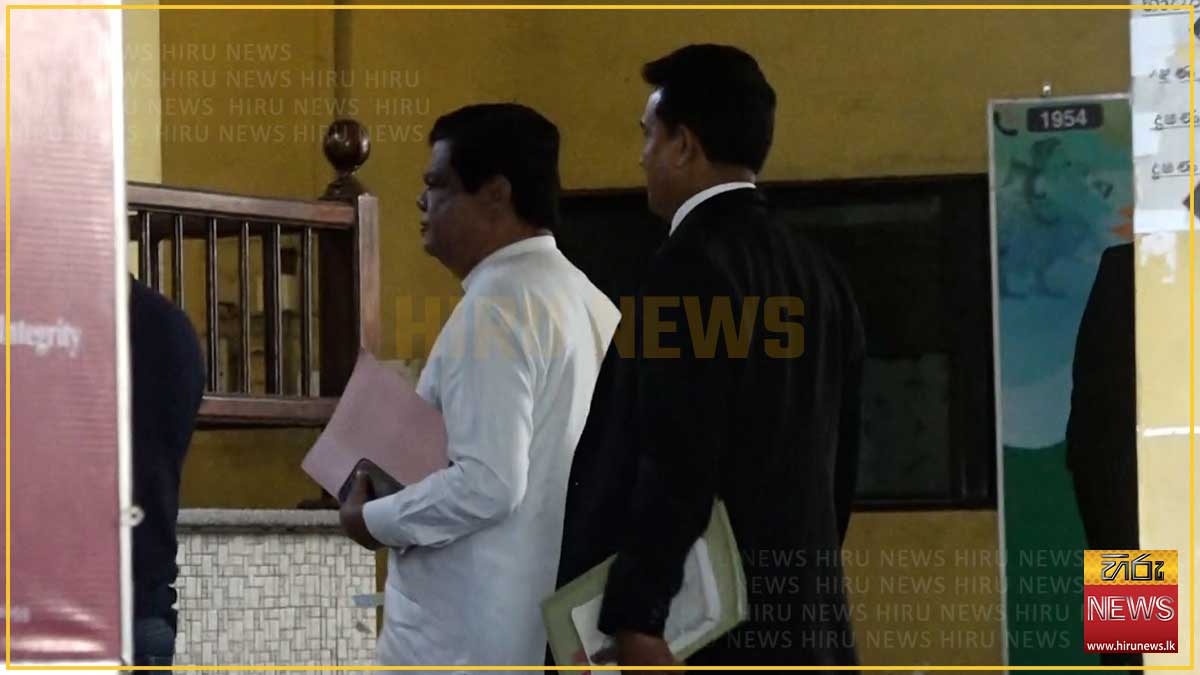
The Criminal Investigation Department has told the Fort Magistrate’s Court that Professor Rohan Gunaratne — the Singapore-based counter-terrorism academic who has long publicly argued the Islamic State was responsible for the 2019 Easter Sunday bombings — met former Eastern Province Chief Minister Sivanesathurai Chandrakanthan, alias Pillayan, on three occasions while Pillayan was a remand prisoner at Batticaloa Prison.
Submitting a further investigation report on Wednesday, the CID said the disclosure came from evidence given by a fellow inmate held alongside Pillayan during the period. Two women accompanied Gunaratne on the prison visits, the CID said, and one of them was subsequently recruited into the Sri Lanka Army with the rank of Major.
The revelations were made in connection with the pending case before the Fort Magistrate involving three suspects: former Director of State Intelligence retired Major General Suresh Salley, Yassin Bawa Jegilpas and Sarath Samantha. The CID described its new submission as an “extremely serious disclosure” and said the investigation is at a decisive stage.
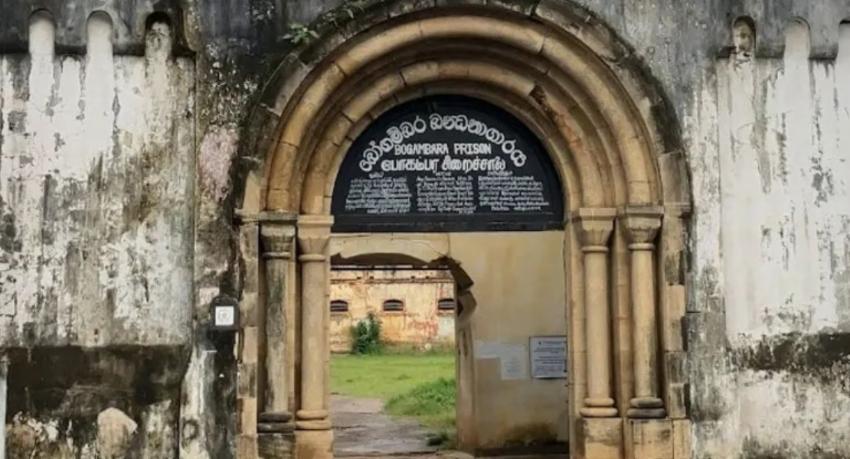
Pillayan was held at Batticaloa Prison from 3 January 2015 until 2021 in connection with the 2005 assassination of former parliamentarian Joseph Pararajasingham. He was remanded again earlier this month in a separate proceeding.
The CID report revisits allegations first aired in Channel 4’s 2023 documentary on the Easter attacks, in which Pillayan’s former personal secretary, Azad Maulana, linked him to the bombings. According to the CID’s latest progress report, further information has now emerged regarding Pillayan’s prison-era contacts. It also alleges that Zahran Hashim’s brother, Zeini Maulavi, a member of the National Thowheed Jamaath, and another individual named Milhan were brought by Pillayan to the prison ward where he was being held.
Gunaratne, a researcher at the S. Rajaratnam School of International Studies in Singapore, wrote a book titled Sri Lanka’s Easter Sunday Massacre after the attacks and has consistently maintained an ISIS-centred account of the conspiracy.
The new investigation track runs parallel to the prosecution’s case against Salley, whom the Attorney General’s Department last week described in open court as the “key driving force” behind the attacks. The Easter Sunday bombings on 21 April 2019 killed 278 people and left nearly 500 others permanently disabled.