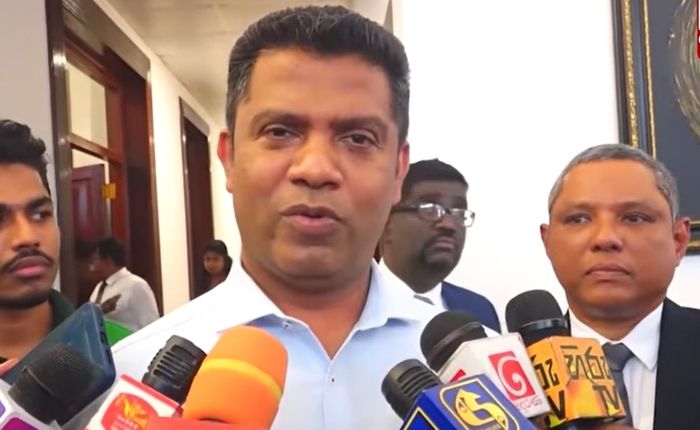
Health Minister Dr. Nalinda Jayatissa has flatly rejected the Government Medical Officers’ Association’s demands, declaring the ongoing strike “lacks a valid basis for discussion” and challenging the union to take its grievances to court instead.
“If you claim the appointment process is unlawful, the appropriate course is to challenge it legally,” Jayatissa said, adding there was “no room for talks” with GMOA while the strike continued to endanger patients.
The minister’s hardline stance came as data showed 96 percent of eligible junior doctors had defied the GMOA’s strike call. Of 453 doctors who completed internship training, 435 applied for post-intern medical appointments before the noon deadline on April 4 — a figure that significantly undermines GMOA’s leverage in the dispute.
Jayatissa also invoked the cost of medical education, noting that the government spends over Rs. 6 million to train each doctor, arguing this justified the government’s firm position on the appointment process.
The Ministry of Health said placements would be made under “a transparent and scientific system” based on applicants’ preferences and merit rankings, with assigned locations and reporting dates to be announced shortly.
GMOA launched its island-wide strike protesting what it called political interference in doctor appointments and irregularities in transfer and post-internship placement processes. The union and the breakaway Academy of Medical Specialists remain divided on strategy, further weakening the collective action.
Meanwhile, patients continue to face a compounding crisis — reduced medical staffing at hospitals combined with fuel-driven transport difficulties that make reaching functioning facilities increasingly challenging.