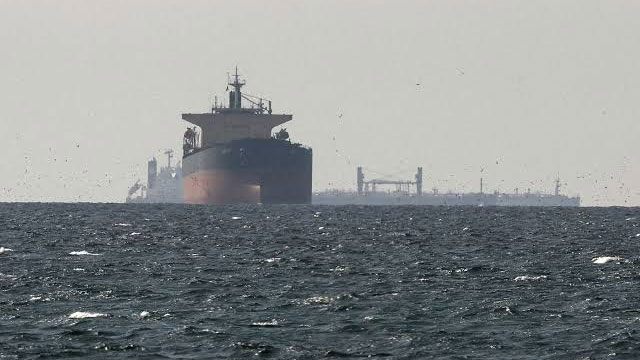
Ships transiting the Strait of Hormuz will now have to declare the name and owner of the vessel and full cargo details, Iran’s ambassador to the United Nations in Geneva said on Wednesday, adding a significant new compliance layer to one of the world’s most important oil shipping routes.
Ali Bahreini told Reuters, in remarks carried by Ada Derana, that passage through the strait would not return to its pre-war regime during the two-week ceasefire brokered by Pakistan. “During these two weeks, the issues will not be normal as it has been before the war,” he said, adding that ships would be required to provide the name and owner of the vessel and their cargo details.
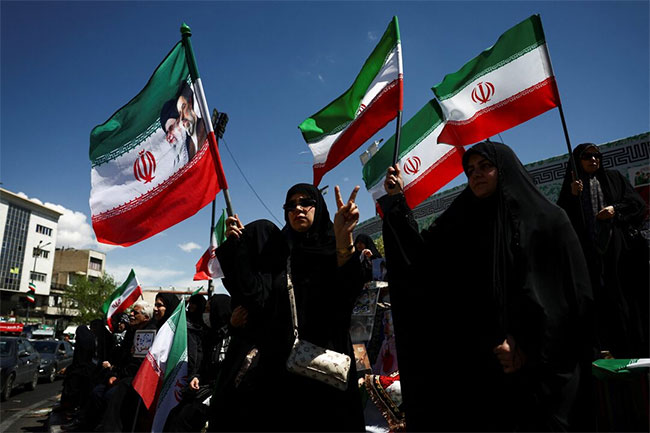
Bahreini said Tehran was approaching the looming Islamabad peace talks with “zero trust” after weeks of US and Israeli strikes. “We are not putting any trust in the other side. Our military forces are keeping their preparedness…but meanwhile, we will go for negotiations to see how serious the other side is,” he said. The ambassador added that the war had “affected everything,” including the legal regime governing the strait, which would be renegotiated through future talks with Washington and Oman.
The cargo-declaration requirement goes beyond the “controlled opening” that a senior Iranian official had described earlier in the day and is operationally significant for tankers carrying crude, diesel and LPG into Sri Lanka. The Ceylon Petroleum Corporation and Lanka IOC import most of their product through Hormuz-origin routes, and any additional declaration regime could slow scheduling and add costs at a time when Colombo is already trying to normalise fuel supply through nine April shipments.
A senior Iranian official told Reuters separately that the strait could open in a “limited way” on Thursday or Friday, under military coordination, ahead of the first formal US–Iran peace talks in Islamabad. Those talks follow the Pakistan-brokered two-week ceasefire and come as Iran continues to warn it could abandon the agreement if Israel keeps striking Lebanon.