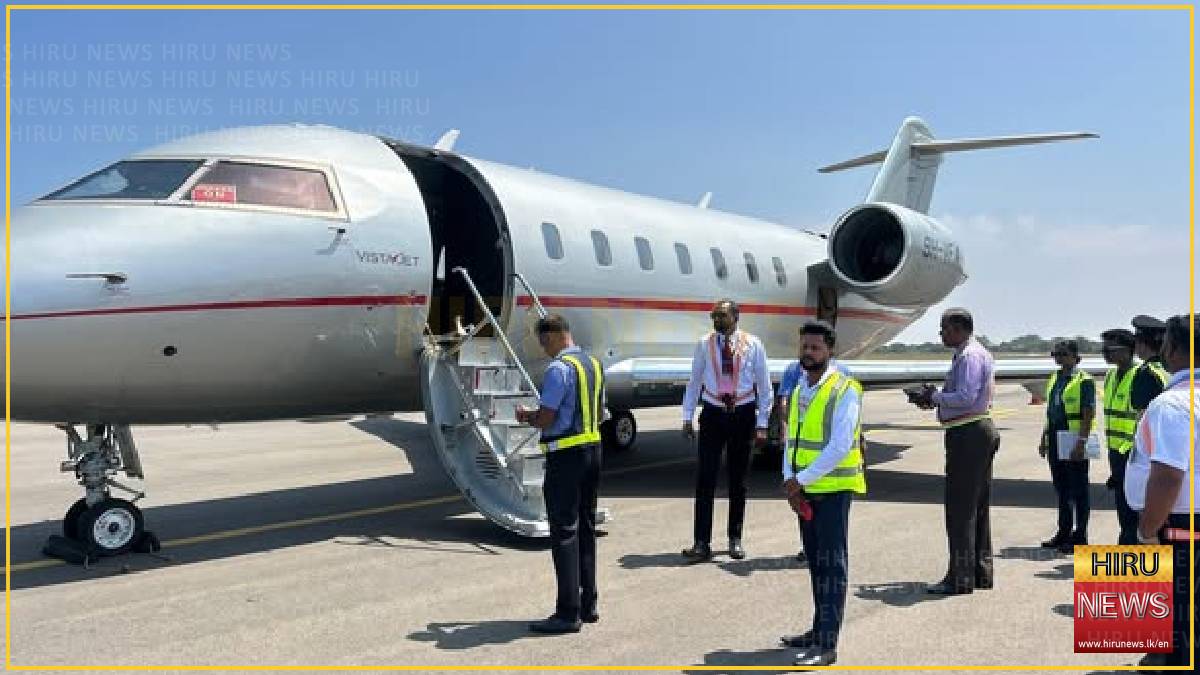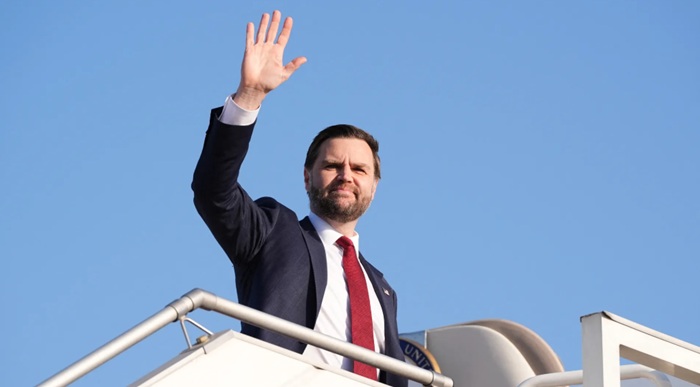
Vice President JD Vance is expected to fly to Islamabad on Tuesday at the head of a US diplomatic delegation if Iran agrees to further talks in the Pakistani capital, as the deadline for the current ceasefire approaches.
Vance will travel with special envoy Steve Witkoff and presidential adviser Jared Kushner. A senior Iranian official told Reuters that Tehran was “positively reviewing” its participation — the first clear positive signal from Iran since the first round of talks collapsed on April 11.
Iranian President Masoud Pezeshkian warned of “deep historical mistrust” of the US and cited “unconstructive and contradictory signals from American officials.” Parliamentary speaker Mohammad Bagher Ghalibaf, who would again head Tehran’s delegation if Vance attends, posted on X that Iran “will not accept negotiations under threat” and had “new cards on the battlefield.”
Trump extended the ceasefire deadline by 24 hours, pushing expiry to Wednesday evening Washington time to allow the Islamabad meeting. He told Bloomberg it was “highly unlikely that I’d extend it further,” while also saying: “I’m not going to be rushed into making a bad deal.”
Brent crude rose roughly $5 to more than $95 per barrel on Monday, reflecting renewed maritime risk. Only three tankers transited the Strait of Hormuz on Monday, down from 18 on Saturday, after Iran reimposed its blockade and the US seized the Iranian-flagged container ship Touska using marines from the USS Tripoli.
The extended standoff keeps Sri Lanka’s fuel import costs elevated. The US has said it will not lift its Hormuz blockade until a deal is reached, linking the maritime enforcement to a broader agreement rather than to the ceasefire window.
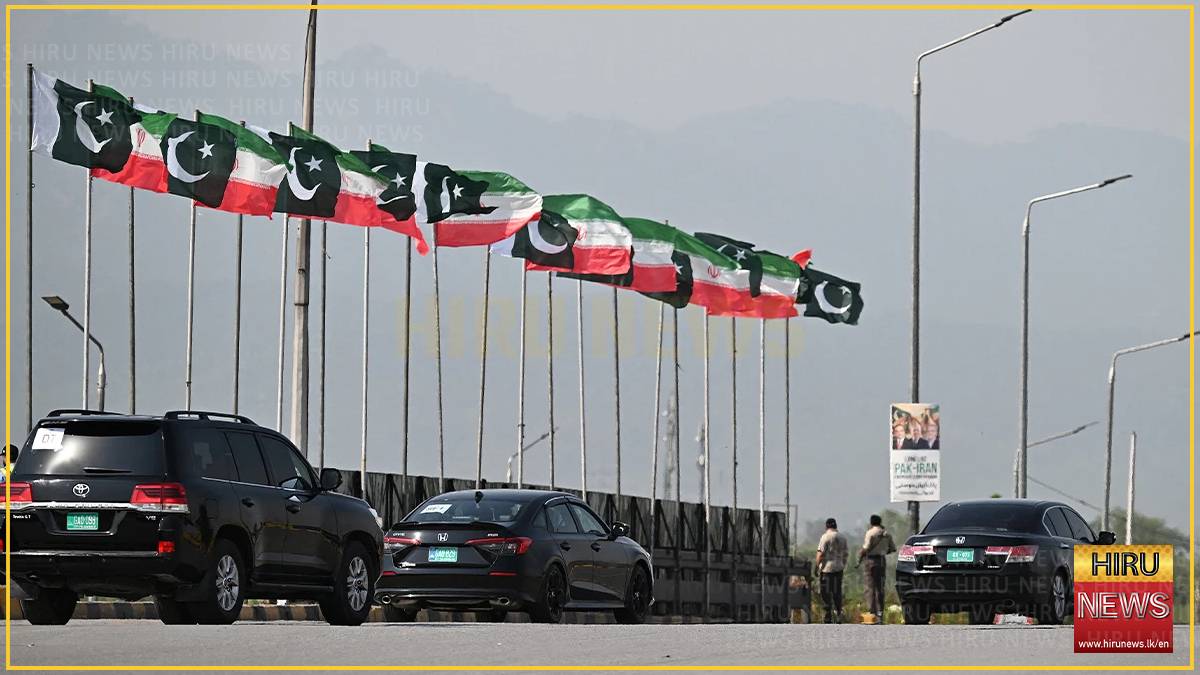
Pakistan has placed Islamabad under a security lockdown ahead of any possible negotiations.