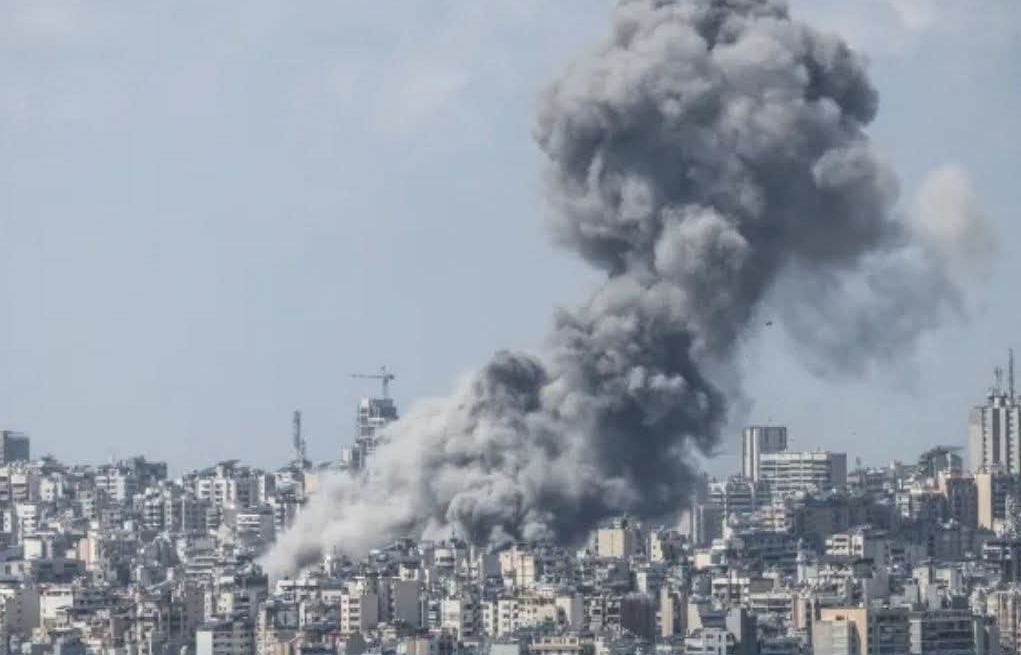
Lebanon’s Health Ministry reported at least 303 people killed and more than 1,000 wounded in Israeli strikes, a sharp escalation from earlier tolls as the fragile US-Iran ceasefire came under strain on multiple fronts.
Israeli Prime Minister Benjamin Netanyahu has ordered his cabinet to open direct negotiations with Lebanon even as strikes continued, according to Newswire. In parallel statements, Netanyahu insisted there was “no ceasefire” in Lebanon and vowed Israel would “continue to strike Hezbollah with force.” The Israeli military issued evacuation orders for parts of Beirut ahead of further operations.
Iran accused Israel of “blatantly violating” the US-Iran ceasefire announced on April 8, pointing to the continuing Lebanon campaign and the Lavan refinery strike hours after the truce was signed. Tehran warned Washington it must choose between the ceasefire it brokered and supporting Israeli operations — it “cannot have both” — according to Ada Derana’s April 9 archive listing. Iranian negotiators headed to Pakistan, the ceasefire mediator, despite what officials described as deep skepticism over repeated violations.
US President Donald Trump told NBC News that Israel would be “scaling back” its Lebanon attacks to support upcoming US-Iran negotiations, a claim that sits uneasily alongside Netanyahu’s “no ceasefire” language. The conflicting statements have fuelled doubts about whether the Pakistan-brokered two-week truce will hold.
The Lebanon death toll has climbed from 89 on April 8 to 254, and now 303 within 48 hours. The escalation matters for Sri Lanka: a ceasefire collapse would likely push oil prices back up and reintroduce pressure on Colombo’s fuel supply chain, which is only now stabilising after the Hormuz closure period.
Sources: Newswire, Ada Derana