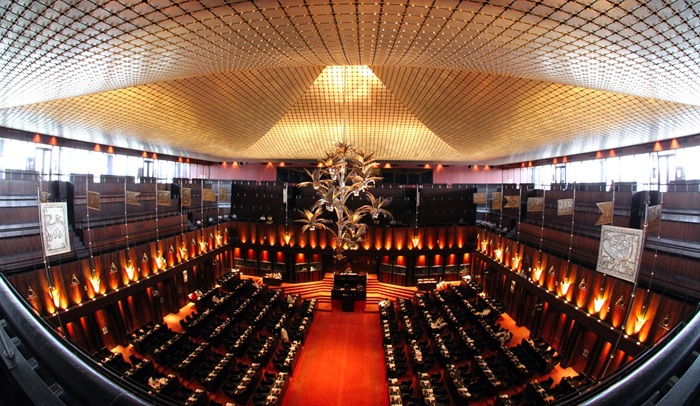
Parliament on Thursday approved the extension of the state of public emergency declared under the Public Security Ordinance, passing the motion by a 110-vote majority after 137 members voted in favour and 27 against.
The emergency regulations were first proclaimed in March in response to the escalating conflict in the Middle East, which had begun to disrupt fuel supplies and shipping through the Strait of Hormuz. The government argued the powers were needed to manage fuel rationing, essential supplies and maritime security while the crisis played out.
Thursday’s vote was a comfortable win for the NPP-led government, which holds a strong parliamentary majority, and follows a month in which the Dissanayake administration has leaned on emergency frameworks to implement odd-even fuel rotations, conservation directives and cross-sector rationing. Opposition benches had warned against routine renewal of emergency powers, but the 110-vote margin confirms there is no immediate parliamentary check on the measure.
The renewal comes on the same day the IMF announced a staff-level agreement on the combined fifth and sixth reviews of Sri Lanka’s Extended Fund Facility, and as the government faces a no-confidence motion against Energy Minister Kumara Jayakody scheduled for April 10. An April 8 Pakistan-brokered US–Iran ceasefire has eased immediate oil-supply fears but the emergency regulations remain in force through the end of the renewal period.