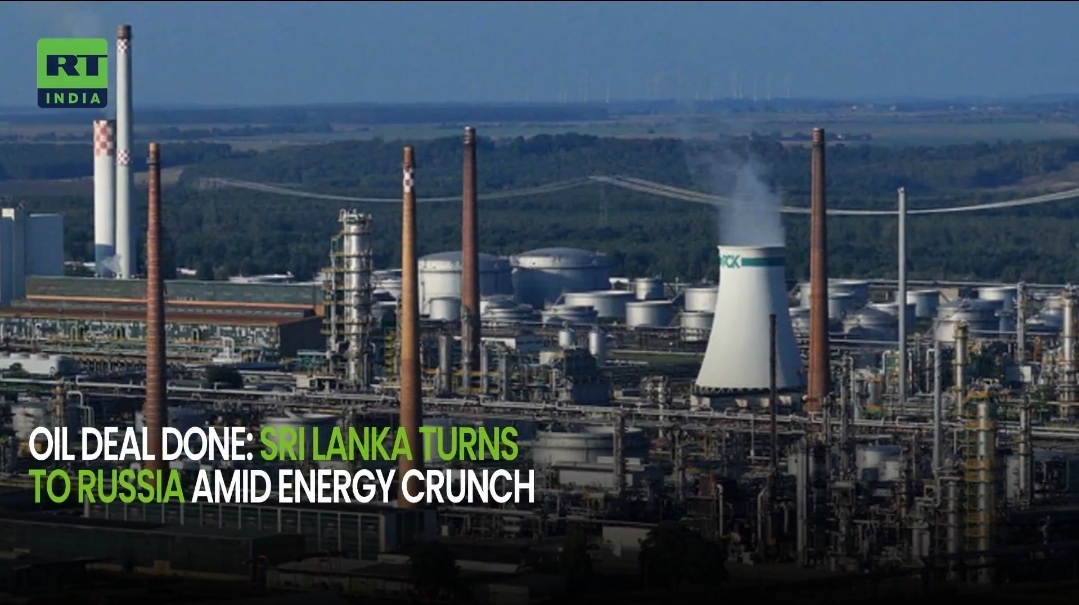
Sri Lanka has secured a political-level agreement with Russia for crude oil supplies expected to begin from mid-April, Transport Minister Bimal Rathnayake announced in an interview with Russia’s TASS news agency, marking the most concrete progress yet on Colombo’s months-long search for a non-Gulf oil source.
Rathnayake said “almost everything has been done” at the diplomatic level, but cautioned that “technical and financial details are still being finalised.” He stopped short of confirming volumes, pricing or shipping logistics.
The announcement is a significant qualitative shift in the Russia-Sri Lanka oil track. Earlier reporting had suggested Russian oil supplies were unlikely in the short term, citing logistical obstacles, sanctions risks and the absence of refinery compatibility for Russian crude grades. Today’s confirmation effectively overrides that assessment, putting a concrete start date — mid-April — into the public record for the first time.
The deal lands against the backdrop of an indefinite Strait of Hormuz closure and Iran’s demand for war compensation before reopening the waterway, which has thrown Sri Lanka’s traditional Gulf-sourced oil supplies into crisis. The country is currently rationing fuel through a QR code system and has secured short-term shipments from India and Singapore through April.
A critical complication remains: the US Treasury’s 30-day waiver allowing Russian oil purchases under sanctions exemptions expires on April 11, just days before the proposed mid-April supply start. Sri Lanka would either need an extension of that waiver or a sanctions-compliant payment and transport mechanism to take delivery.
Rathnayake’s TASS interview is the second major Russia-Sri Lanka announcement in days, following the signing of a separate transport cooperation MoU at the St. Petersburg International Forum on April 6. The Transport Minister has emerged as the government’s lead negotiator with Moscow on energy and logistics tracks, distinct from the Energy Minister, who is currently facing a parliamentary no-confidence motion over the broader fuel and coal crisis.
A successful mid-April delivery would relieve pressure on the rationing regime and could allow the government to lift the QR-code fuel curbs and Wednesday holiday measures introduced last month.