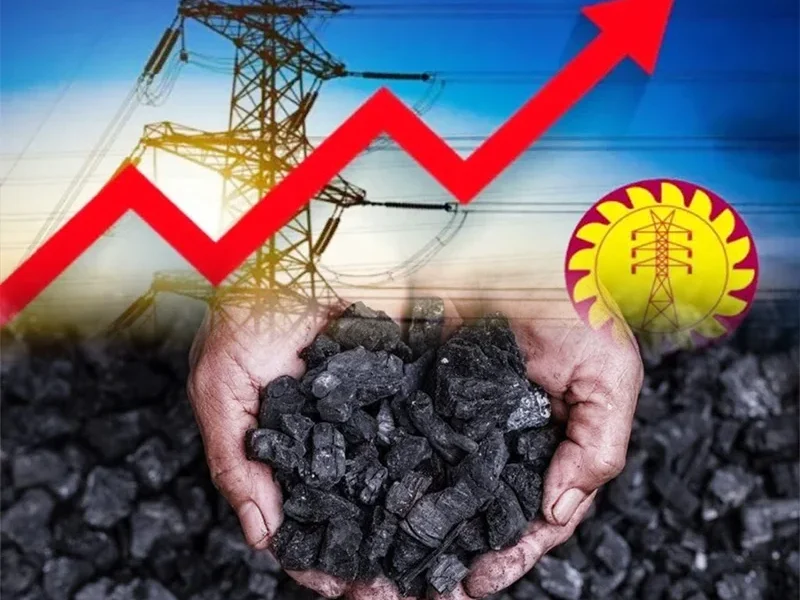
Sri Lanka’s power sector is bracing for a steep electricity tariff increase, with senior officials telling The Island that a revised proposal now seeks an additional 53% hike just weeks after the last revision took effect on April 1.
The Island reported on Thursday that the latest National System Operator (NSO) filing values the April–June cost burden at around Rs. 40 billion, with roughly half of that traced directly to the ongoing substandard coal crisis. “This is not a marginal adjustment but a structural cost shock,” a senior energy sector official told the paper.
According to internal estimates cited in the report, coal-based generation has dropped by nearly 250 gigawatt-hours over the three-month period because of poor-quality fuel, forcing the system to lean on costly diesel generation. Replacing that lost output with diesel is estimated to cost about Rs. 25 billion, and even after offsetting around Rs. 4.5 billion in reduced generation costs the net additional burden exceeds Rs. 20 billion. The NSO has projected a total additional cost of approximately Rs. 42 billion for the quarter, forming the basis of the tariff application now before the Public Utilities Commission of Sri Lanka.
Former Energy Minister Eng. Patali Champika Ranawaka urged PUCSL not to approve measures that would pass coal-crisis inefficiencies directly onto consumers. “To increase tariffs by Rs. 41 billion under these circumstances is deeply concerning. Around Rs. 20 billion of that is due to the coal issue,” he said, calling for firm action against those responsible rather than shifting blame or burdening the public.
Officials said the pressures would intensify in the coming months as diesel prices rise and high-priced heavy fuel oil shipments arrive, while the affected coal stocks may remain in use until at least August. They also cautioned that recovering losses from the coal supplier looked unlikely, since the estimated damage is roughly equal to the total invoiced value of the first 11 shipments — around Rs. 21 billion.
The filing escalates the 15% additional Q2 hike the NSO first sought on April 6 and intensifies the political stakes ahead of the no-confidence motion against Energy Minister Kumara Jayakody due on April 10. It also follows the Auditor General’s COPE report documenting irregularities in the Lakvijaya coal procurement.