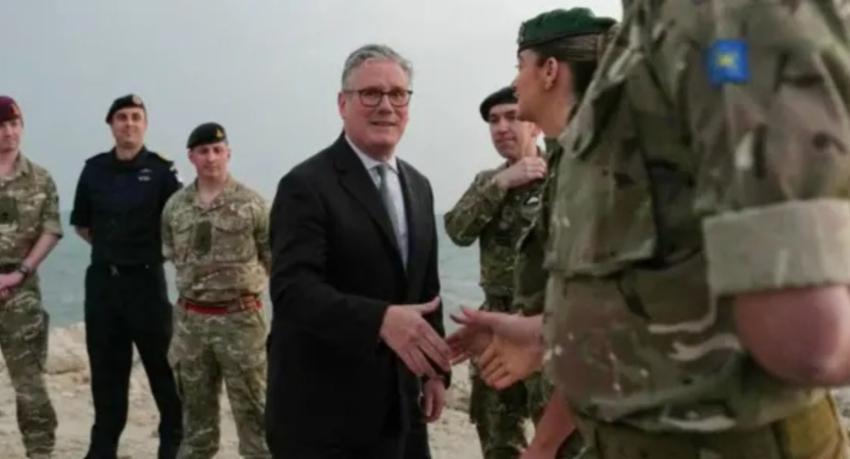
British Prime Minister Keir Starmer has publicly distanced the United Kingdom from the US naval blockade of Iranian ports, marking the first major split between the two allies over the ongoing Middle East conflict.
“We are not supporting a blockade,” Starmer said on April 13, hours after US CENTCOM forces began enforcing a naval blockade of Iranian ports. He said Britain’s response is focused on getting the Strait of Hormuz reopened “because that’s the way we get energy prices down as quickly as possible.”
When asked whether he holds US President Donald Trump personally responsible for the impact on UK energy bills, Starmer deflected. He said the “single most important thing” he can do is bring countries together to call for de-escalation and the opening of the strait.
Starmer placed responsibility on Iran for restricting traffic through the Gulf and insisted the UK is not being “dragged into the war.”
The statement represents a significant diplomatic break. While the UK has generally aligned with US policy on Iran, the naval blockade — which began on April 13 following the collapse of ceasefire talks — has drawn concern from European capitals over its potential to further disrupt global energy supplies.
For Sri Lanka, the UK’s refusal to join the blockade is noteworthy given its Developing Countries Trading Scheme partnership and the country’s acute vulnerability to energy supply disruptions from the Hormuz crisis. Any diplomatic efforts to reopen the strait would directly benefit Sri Lanka’s fuel import pipeline.
The blockade escalation comes as the IMF/World Bank Spring Meetings open in Washington this week, where Sri Lanka’s delegation is seeking continued programme support amid the dual energy and tariff shock.