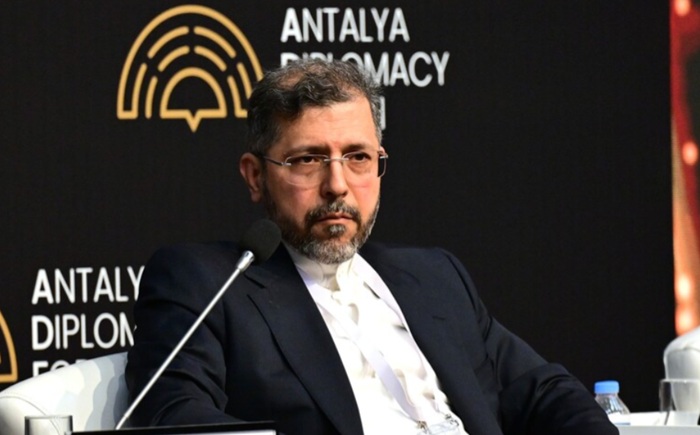
Iran has rejected any temporary ceasefire arrangement with the United States and Israel, demanding instead a comprehensive end to hostilities across the entire region, Deputy Foreign Minister Saeed Khatibzadeh said on Thursday.
Speaking at the Antalya Diplomacy Forum in Turkey, Khatibzadeh declared that any resolution must address all conflict zones “from Lebanon to the Red Sea” — a condition he described as a “red line” for Tehran.
“We are not accepting any temporary ceasefire. The cycle of conflict should end here once and for all,” Khatibzadeh said, dismissing incremental solutions.
Hormuz “New Arrangements”
In what may be the most significant Hormuz-related language since the April 8 ceasefire, Khatibzadeh indicated that Iran is considering “new arrangements” for the Strait of Hormuz covering security, safe passage, and environmental concerns. While affirming that the strait has “historically remained open” within Iran’s territorial waters, the language suggests a potential transit fee or inspection regime beyond simple opening or closing.
The deputy minister accused the US and Israel of triggering instability that “negatively affected global trade and the wider economy.”
Pakistan Mediation Continues
Pakistan’s Army Chief General Asim Munir is mediating diplomatic efforts in Tehran involving Iran’s highest leadership, including President Masoud Pezeshkian and Foreign Minister Abbas Araghchi. Khatibzadeh acknowledged Pakistan’s role, saying the mediation aims to achieve a lasting peace.
The rejection of temporary arrangements has direct implications for Sri Lanka’s fuel supply chain, which remains vulnerable to Hormuz disruptions. The country’s fuel rationing restrictions are contingent on whether the strait remains open under stable terms.
A lasting resolution would require what Khatibzadeh called a shift away from “maximalist positions” by Washington — a demand that complicates the prospects for a quick deal during the ongoing Israel-Lebanon 10-day ceasefire.