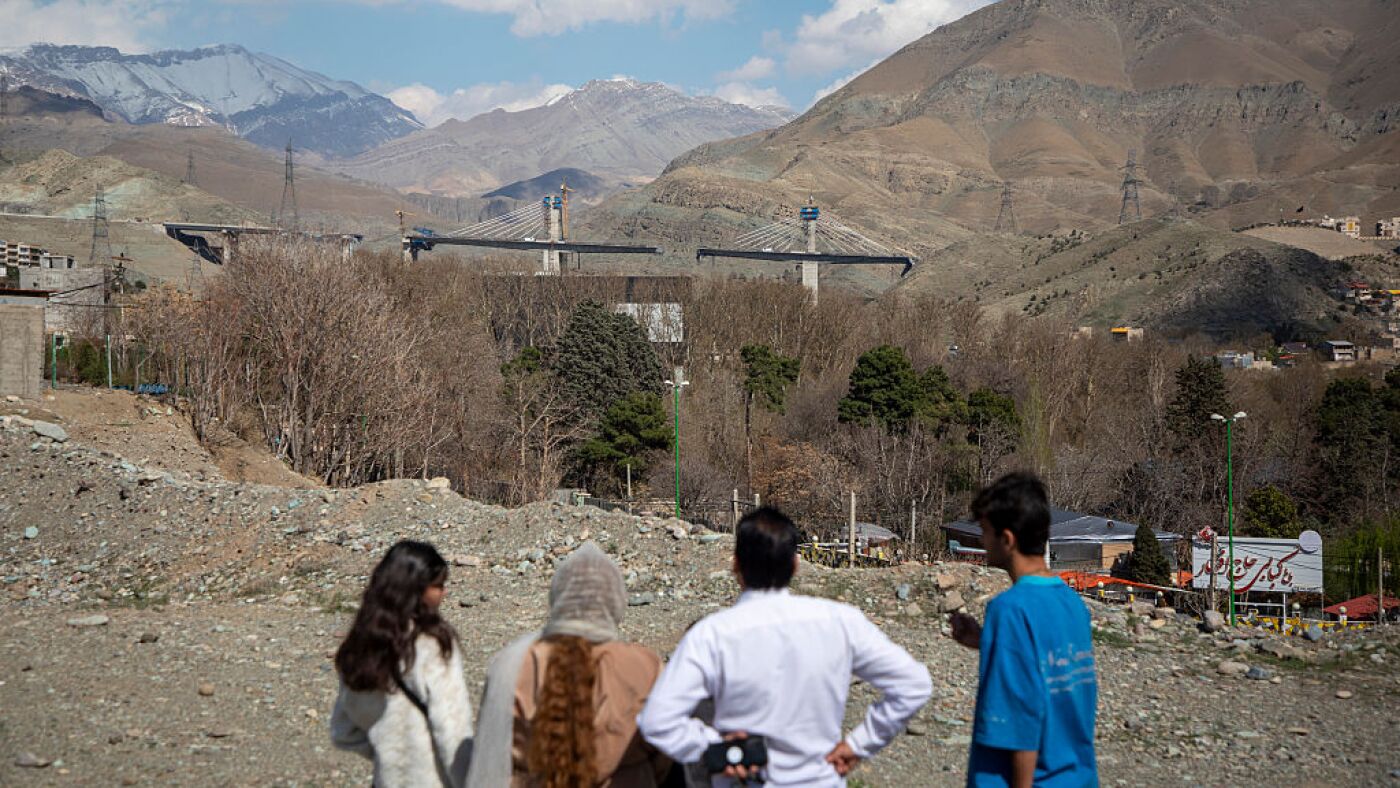
President Donald Trump warned on April 5 that “time is running out” for Iran to reopen the Strait of Hormuz, with his 48-hour ultimatum expiring on April 6. Trump has threatened to strike Iranian power plants and bridges, and earlier in the week said he would bomb Iran “back to the Stone Ages.”
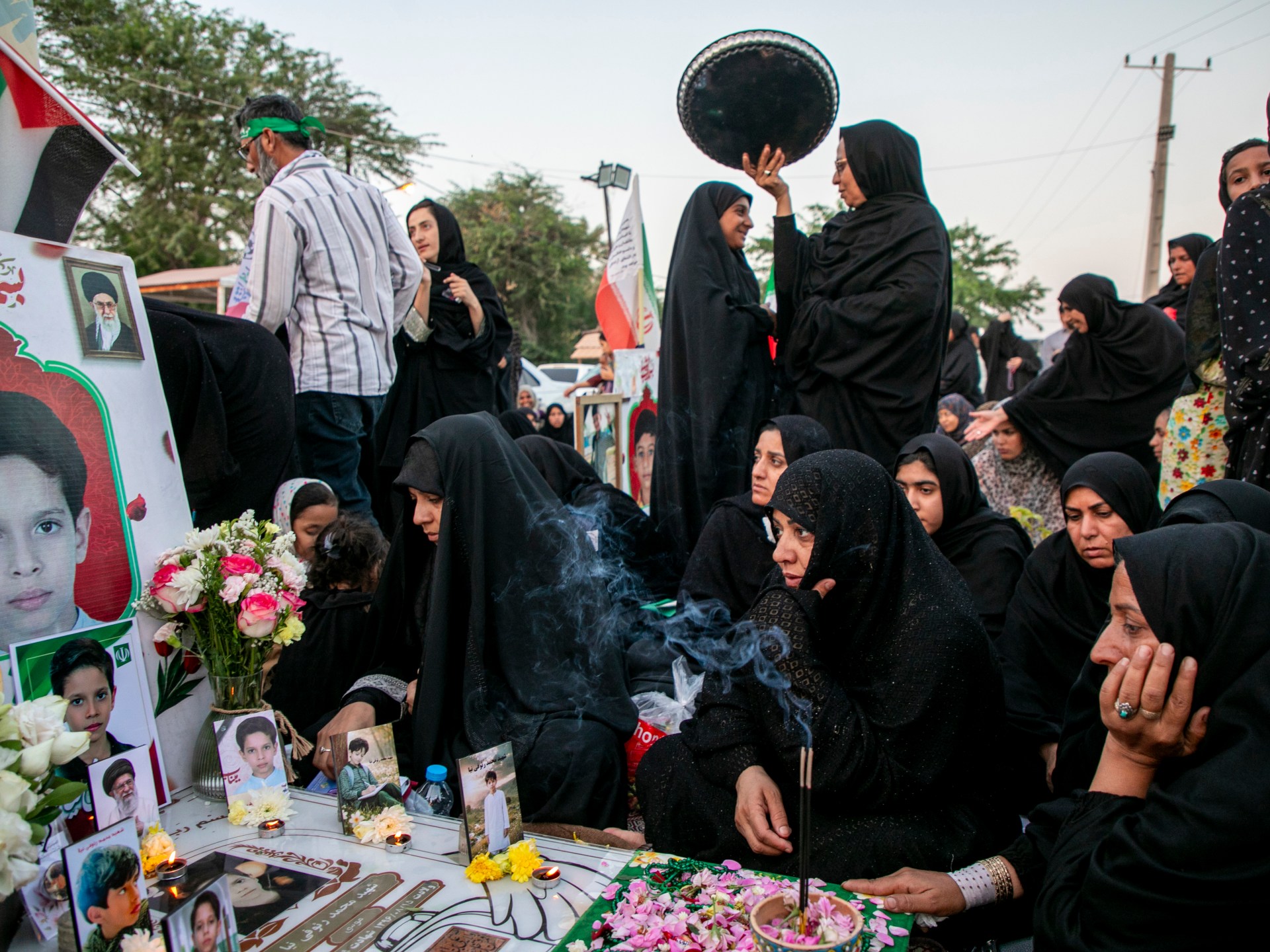
The US-Iran war entered its sixth week on Saturday, with Pentagon data showing 13 US service members killed and 365 wounded. Iran’s Health Ministry reported at least 2,076 civilian deaths from US-Israeli strikes since the conflict began on February 28.
Military operations intensified over the weekend. A second US Air Force F-15E fighter jet was shot down near the Strait of Hormuz, with one crew member rescued and a second missing. US and Israeli forces struck targets including the Mahshahr Special Petrochemical Zone, an Iranian nuclear facility near Bushehr, and Tehran missile storage facilities. Iran responded with a drone attack on an Oracle office building in Dubai and named 18 US tech and defence companies as assassination targets.
In a significant diplomatic development, Iran softened its near-total Hormuz blockade by exempting Iraq from shipping restrictions. An Iranian military spokesperson confirmed: “Brotherly Iraq is exempt from any restrictions we have imposed on the Strait of Hormuz.” The exemption could allow up to 3 million barrels of Iraqi crude per day to transit the strait, though Iraqi officials cautioned actual flows depend on shipping companies’ willingness to navigate the conflict zone. A French vessel also crossed the strait this week — the first Western European ship to do so since the war began.
The partial easing comes as global oil prices have risen 37% since the conflict started, with the strait handling roughly 20% of global supply. For Sri Lanka, already grappling with fuel rationing and power cuts, any sustained reopening could ease the acute energy shortage driving the country’s current economic strain.