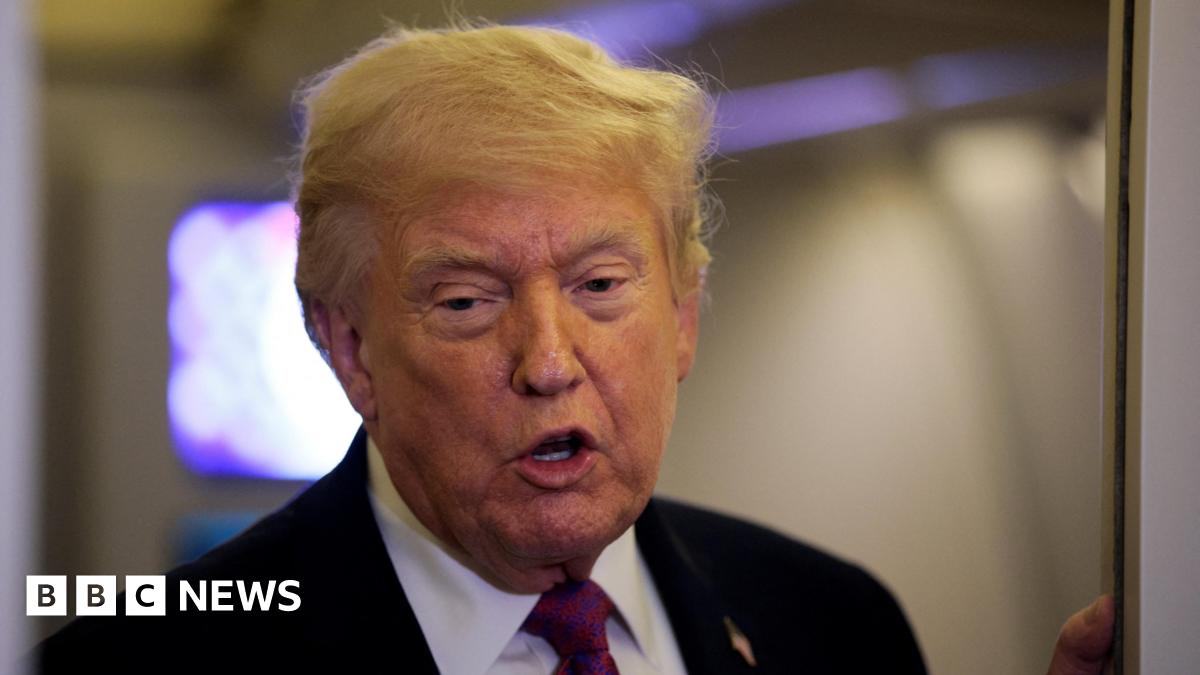
US forces have intercepted and boarded an Iranian-flagged cargo ship in the Gulf of Oman in the first confirmed physical seizure since the US blockade of Iranian ports began, President Donald Trump announced on Sunday.
Trump said on his Truth Social platform that the vessel, named Touska, tried to push through the blockade and ignored repeated warnings from a US Navy ship. “The Iranian crew refused to listen, so our Navy ship stopped them right in their tracks by blowing a hole in the engine room,” he wrote. US Marines now have “full custody” of the ship and are inspecting what it is carrying.
The vessel is under US Treasury sanctions for what Trump described as a “prior history of illegal activity.” Iran has not confirmed the incident, and no immediate response has come from Tehran.
The seizure marks a sharp escalation from the diplomatic and rhetorical pressure that has defined the blockade until now. The Strait of Hormuz has remained at a standstill, with Marine Traffic data showing minimal movement through the waterway. Iran says the strait remains closed; the TUI cruise operator separately confirmed its Mein Schiff 4 and Mein Schiff 5 passed through under coordinated authority.
The development unfolds hours after a JD Vance-led US delegation was announced to arrive in Islamabad on Monday for a fresh round of talks with Iran, a process Tehran’s state media has called into question.
For Sri Lanka, the seizure is an immediate signal to energy importers and insurers: the Gulf of Oman — the staging route for most Hormuz-bound fuel shipments — is now an active interdiction zone. The Ceylon Petroleum Corporation has already been paying war-risk premiums of $48 to $50 per barrel on recent diesel shipments, and the introduction of physical naval boardings is likely to push maritime insurance costs higher still.
Update, April 24: Iran’s Mission to the United Nations has called the interception a “flagrant breach of international law,” saying the Touska was “carrying critical dialysis supplies and medical equipment” when it was stopped. In a statement, the mission said the action breached international law “including the peremptory prohibition of aggression, human rights and the right to life” and warned it “endangers lives, undermines freedom of navigation, and places vulnerable patients at grave risk.” US Defence Secretary Pete Hegseth separately confirmed the Touska by name at a news conference, the first explicit US official acknowledgement of the specific vessel beyond Trump’s Truth Social post.