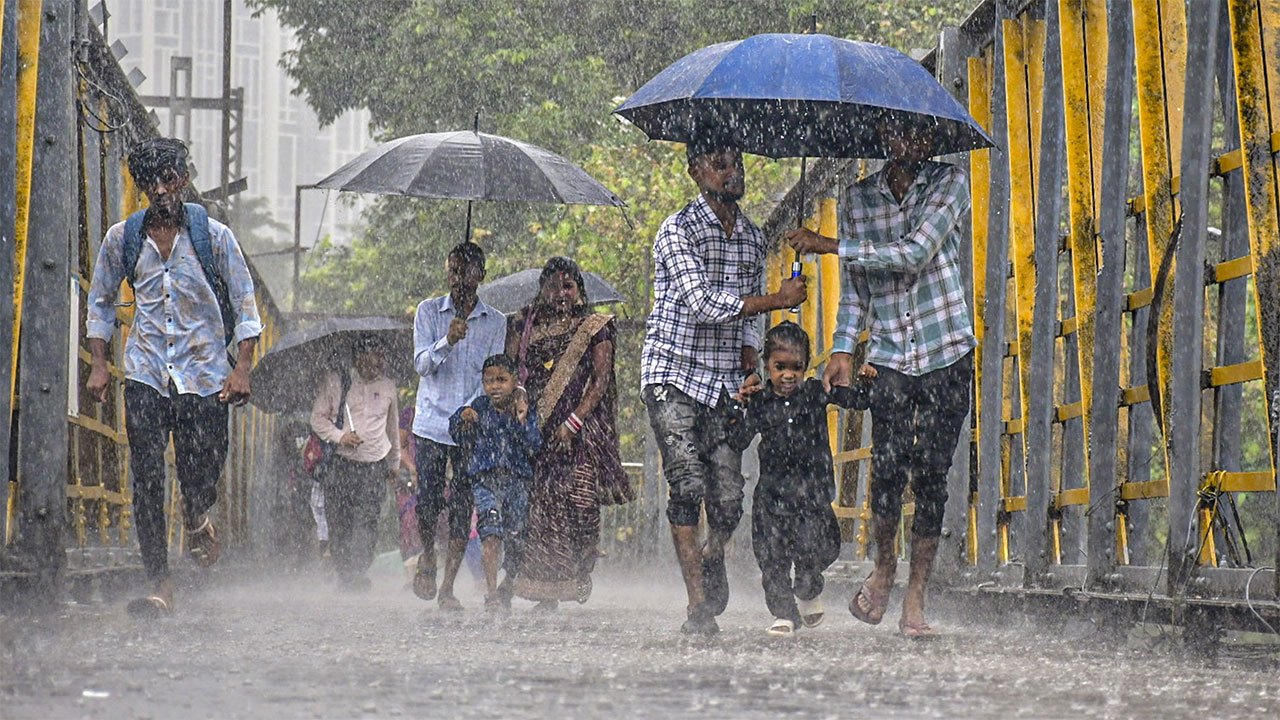
Showers will occur at times in the Western, Sabaragamuwa and North-Western provinces and in the Kandy, Nuwara Eliya, Galle and Matara districts on Friday (31), the Department of Meteorology has said.
Heavy rainfall above 100 mm is likely at some places, the department said. In its forecast issued on Friday morning, the department said a few showers may also occur in the Anuradhapura and Hambantota districts. Mainly dry weather will prevail over the rest of the island.
Strong winds of about 40-50 kmph can be expected at times over the Northern, North-Central, North-Western and Central provinces and in the Ratnapura, Monaragala, Hambantota and Trincomalee districts.
Context
Rainfall above 100 mm in a single day is enough to cause localised flooding and to trigger landslide risk in the hill country, particularly in the Kandy and Nuwara Eliya districts and in Ratnapura, where saturated slopes are vulnerable. The National Building Research Organisation issues separate landslide warnings when thresholds are crossed.
The forecast follows a Red-level advisory for strong winds and rough seas off the northern and south-eastern coasts, issued on Thursday and in effect until 9.00 a.m. on Friday. That advisory prompted the Fisheries Department to suspend fishing in the affected waters, a suspension that carries no stated end date. Both the rainfall and the winds are attributed to the active south-west monsoon.
The wet forecast for the south-west sits uneasily beside warnings about the months ahead. Officials this week said the developing El Niño event could strengthen considerably, with severe dry weather expected through August and September before heavier rainfall returns towards the end of the year. Parts of the island are already reporting dried-up water sources, even as the monsoon delivers heavy rain to the wet zone — a contrast typical of Sri Lanka’s two-zone rainfall pattern, where the south-west receives monsoon rain while the dry zone waits for the north-east monsoon.
The Irrigation Department said this week that reservoirs stood at 42% of capacity, with drinking water secure to October.