Sri Lanka’s headline rate of inflation rose to 7.3% in July 2026, up from 6.8% in June, according to figures released by the Department of Census and Statistics.
The measure is the year-on-year change in the Colombo Consumer Price Index (CCPI), the country’s benchmark gauge of urban retail prices.
Food is doing the work
The increase was driven almost entirely by food. Food inflation climbed to 6.3% in July from 3.6% in June — a jump of 2.7 percentage points in a single month, and the second consecutive monthly acceleration in the food basket.
Non-food inflation moved the other way, easing to 7.8% in July from 8.4% in June.
That divergence matters for how the headline number should be read. Non-food prices, which cover items such as transport, housing, health and education, are still rising faster than food in absolute terms, but their rate of increase is slowing. Food is the component pushing the overall index up, and it is the component households feel most directly and most quickly.
Context
The reading extends a run of rising consumer prices after Sri Lanka’s extended period of deflation and near-zero inflation. It also lands while the Central Bank of Sri Lanka holds its key policy rate at 8.75%, a level set when price pressures were milder than they are now.
The Department of Census and Statistics compiles the CCPI monthly and releases it at the end of the reference month. Ada Derana’s report did not break out the individual food categories behind the July move, and the Central Bank had not published its own commentary on the figures at the time of writing.
Update (August 2): NewsFirst reported the same July figures, attributing them to the Central Bank and the Department of Census and Statistics, and set them against remarks the Central Bank Governor made before the release.
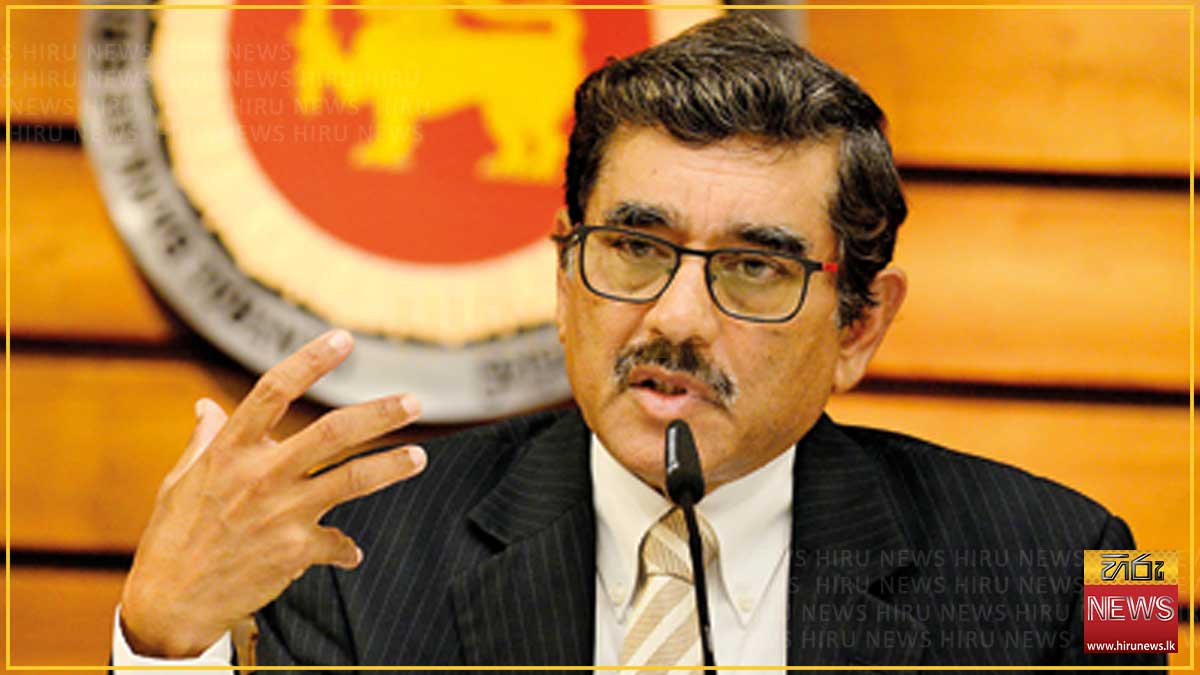
Governor Dr. Nandalal Weerasinghe said on July 22 — nine days before the July index was published — that the 100-basis-point policy rate increase implemented in May was already having its intended effect, with domestic demand, import growth and private sector credit expansion all showing signs of moderation. He said inflationary pressures should ease as the tightening works through the economy.
Weerasinghe acknowledged that inflation may stay above the Central Bank’s 5% target in the near term because of one-off price adjustments and global factors, but said inflation expectations remain well anchored and that the rate is projected to return to target over the medium term. Those comments predate the July reading and are not a response to it; the Central Bank has not published commentary on the July figures.
On the external accounts, NewsFirst reported gross official reserves at about US$ 6.45 billion at the end of June, down from US$ 7.3 billion at the end of February, with foreign debt servicing continuing over that period. The Governor said reserves remain on track to exceed US$ 8 billion by the end of the year.
Fiscal figures reported by the Central Bank show a budget surplus of Rs. 197.3 billion in the first five months of 2026, against a deficit of Rs. 236.6 billion in the same period of 2025, with government revenue up by more than 30%.