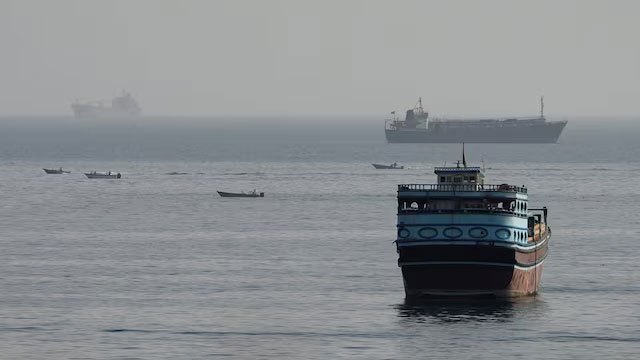
Iran and Oman have reached a mutual understanding on the geographic coordinates of a shipping route through the Strait of Hormuz, Iranian foreign ministry spokesperson Esmaeil Baghaei said on Wednesday, with a joint announcement now being finalised.
Baghaei described the negotiations between Tehran and Muscat as “professional” and “moving forward”, saying the two sides “had reached a mutual understanding on the geographical parameters of the route under discussion”. A joint statement setting out the main considerations and key points of understanding is in the final stages of review and drafting, he said — provided certain third parties do not obstruct the process.
He cautioned that an agreement between Iran and Oman would not, by itself, guarantee security in the strategic waterway, pointing to continued US military pressure and naval activity against Iran.
Reuters reported that the proposed arrangement would give Tehran control over ships entering the Gulf through the strait, in what would be one of the biggest concessions yet to Iran. A senior Iranian source and two regional officials told the agency that despite the apparent movement toward Iranian demands, they rejected assertions by US President Donald Trump that a deal reopening the strait was imminent, saying important details still had to be settled.
Al Jazeera reported that Deputy Foreign Minister Kazem Gharibabadi said large portions of the proposed corridor would run through Iran’s territorial waters, with some sections passing through Omani waters, and that the arrangement would operate for two to four months or potentially longer, replacing the temporary routes currently in use.
The talks follow months of disruption to one of the world’s most important oil transit chokepoints. Sri Lanka, which imports effectively all of its crude and refined fuel, is directly exposed to shipping costs and insurance premiums on the route — a concern that has run through this year’s coverage of the crisis, from Tehran’s denial that it had closed the strait to reports that the threat to tankers is the worst since the war began.
Sources: Ada Derana, Hiru News, Al Jazeera.