Prime Minister Dr. Harini Amarasuriya told an international relations conference in Colombo that Sri Lanka is shifting its education system away from an examination-centred model towards one that opens varied routes into professional life while producing socially responsible citizens.
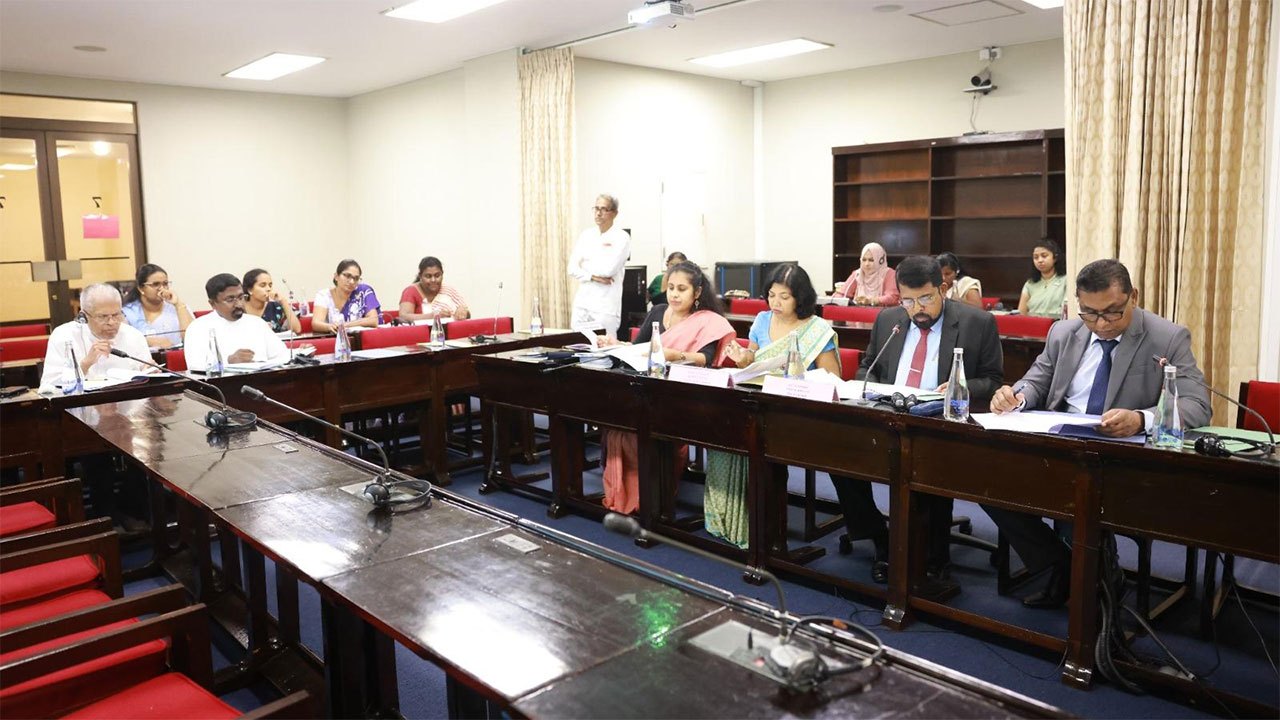
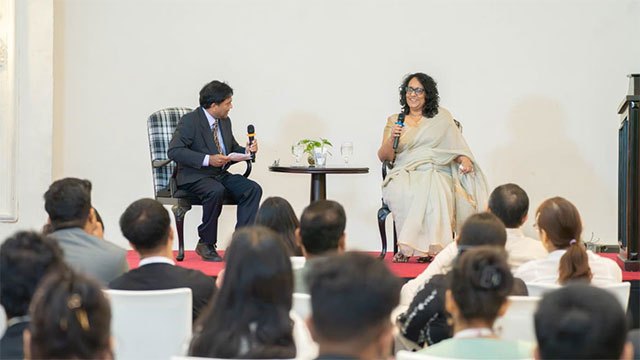
She was speaking at the International Studies Association (ISA) South Asia in World Politics (SAWP) Conference 2026, held from 6 to 8 August under the theme “South Asia in a Changing International Order”. It is the first ISA-SAWP conference hosted in Sri Lanka or anywhere in South Asia, and drew scholars, researchers, policymakers and practitioners from the region and beyond, the Prime Minister’s Office said.
Exams as a regional problem
Responding to a question from Prof. Neil DeVotta on how the international community could support Sri Lanka’s reform agenda, Amarasuriya — who also holds the education, higher education and vocational education portfolio — said many countries in the region share the problem of education systems built around examinations, which she said narrow young people’s learning and their later opportunities.
She pointed to Sri Lanka’s long-standing standing as a regional education hub and invited more cross-border cooperation and knowledge-sharing to address those shared challenges.
”A work in progress”
On institutional reform, the Prime Minister said Sri Lanka’s direction was settled even if the process was unfinished.
“Sri Lanka’s own transformation remains a work in progress. Institutional reform requires patience, intellectual humility, continuous self-reflection, and the courage to confront difficult truths,” she said. “We remain committed to building a transparent, accountable, inclusive, and compassionate state that governs not over its people, but with them.”
The future of South Asia, she added, “will not be determined solely by shifts in global power or economic competition. It will be shaped by the strength of our democratic institutions, the inclusiveness of our development, and our collective willingness to imagine new possibilities for justice, equality, and regional cooperation.”
Asked about the economy, Amarasuriya said improving international assessments of Sri Lanka’s governance reflected the country’s political transformation and signalled that it had moved beyond recovery towards being seen as an investment destination. She acknowledged that poverty remains a challenge and said growth, sectoral expansion and public sector reform were needed to create opportunities.
Sources: Ada Derana.