Iran said on Saturday that an agreement with Oman on managing the Strait of Hormuz was close but would not by itself reopen the waterway, hours after the United Arab Emirates said another of its tankers had been struck there.
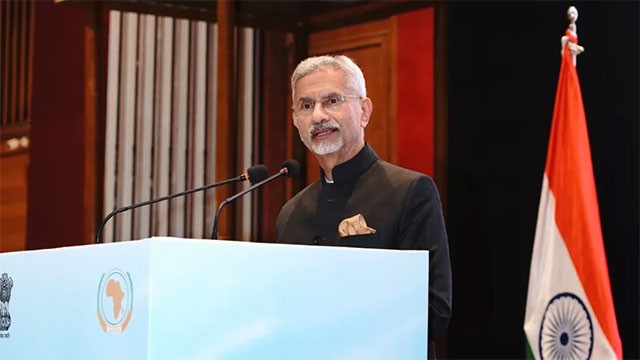
Foreign Minister Abbas Araghchi said Iran and Oman were “very close” to agreement on a new shipping route, but that a full reopening depended on separate conditions. Ada Derana, carrying a Reuters report, said those conditions included US compensation to Iran. Al Jazeera reported Araghchi tied the reopening to Washington honouring commitments made under a June memorandum of understanding that Tehran says were violated — among them the unfreezing of Iranian funds held abroad.
Araghchi said the previous traffic separation scheme was no longer acceptable to Tehran, and that a temporary route was being discussed with Oman while the technical and legal issues around a permanent one were resolved.
Under the arrangement, inbound vessels would use a northern lane through Iranian territorial waters and outbound traffic a southern lane in Omani waters coordinated with Iran, Al Jazeera reported. US media have described an interim deal envisaged for 60 days.
A US official told Reuters on Friday there was “progress between Oman and Iran” and that a deal was expected soon. “Once the deal is announced to restore commercial shipping without impediments, the United States will lift the blockade of Iranian ports,” the official said, adding that US actions would remain “performance-based”.
The Revolutionary Guards struck a harder line. Spokesperson Hossein Mohebbi said reopening “has its own specific mechanism and has nothing to do with the negotiations between Iran and Oman”, and urged Washington to stop interfering. “Whenever the United States accepts Iran’s conditions, the Strait of Hormuz will certainly be reopened,” he told Tasnim.
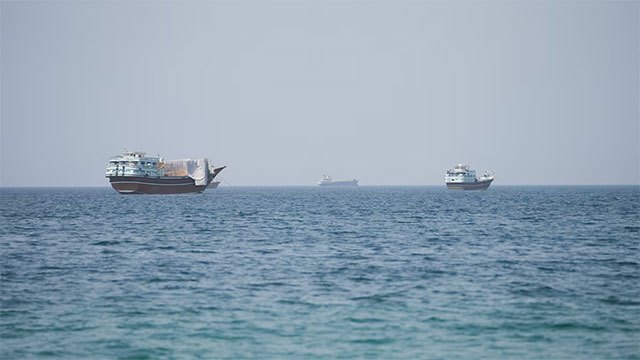
The UAE said an Abu Dhabi National Oil Company vessel was hit by a missile while transiting the strait on Saturday, with no injuries. Its foreign ministry called the targeting of commercial shipping “acts of piracy”. ADNOC said on Friday that 15 of its ships had been struck since the conflict began, killing one crew member and wounding 20. There was no immediate Iranian comment.
About a fifth of the world’s oil and gas shipments crossed the strait before the war, which began with US and Israeli attacks on Iran on February 28. Sri Lanka imports effectively all of its crude and refined fuel, leaving it directly exposed to freight and insurance costs on the route — pressure that has run through this year’s coverage, from Iran and Oman agreeing route coordinates to warnings that the threat to tankers is the worst since the war began.
Sources: Ada Derana, Al Jazeera.