A parliamentary oversight committee has called for drug rehabilitation programmes to be expanded as a way of reducing overcrowding in Sri Lanka’s prisons.
The Sectoral Oversight Committee on Governance, Justice and Civil Protection, chaired by MP Dr. Najith Indika, took up the issue at a meeting in Parliament attended by officials from the Department of Prisons, the Department of Community Based Corrections, the Bureau of Rehabilitation and the National Dangerous Drugs Control Board (NDDCB). The account of the meeting was issued by Parliament’s Department of Communication.
Fewer than a third in programmes
Prison officials told the committee that 1,506 of the 4,962 inmates convicted by courts for drug-related offences are currently undergoing rehabilitation — fewer than a third. Places are given both to inmates referred by court order and to those who volunteer.
Officials acknowledged that existing resources are not sufficient to offer rehabilitation to every inmate serving a sentence.
The NDDCB said it is moving to expand services for people with drug dependency, recruit additional staff and strengthen programmes run at Divisional Secretariat level across the country.
Life after release
The committee also examined obstacles facing people who complete rehabilitation, including social acceptance and difficulty obtaining certificates of good character — documents commonly required for employment. Members said relevant laws and regulations need to be amended to make the rehabilitation process more effective and to help those who have been rehabilitated reintegrate into society.
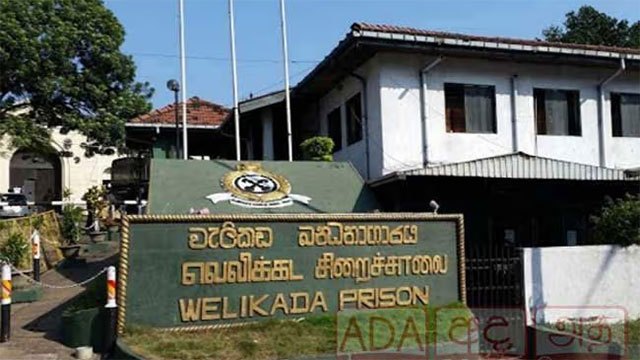
Overcrowding has been a persistent strain on the prison system, which was holding about 39,000 inmates in late July, and has featured in the government’s response to recent unrest across several facilities. An NDDCB official said last week that tighter controls on narcotics entering prisons may itself be contributing to tensions among inmates experiencing withdrawal.
Sources: Ada Derana, Daily Mirror, NewsFirst.