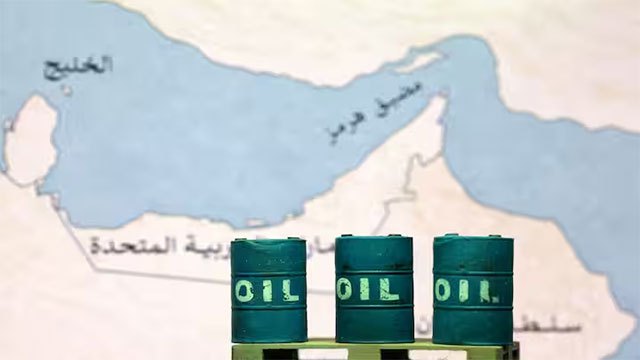
Oil prices rose on Monday as traders pulled back from last week’s bet that the Strait of Hormuz was about to reopen, with Iran signalling that a shipping-lane deal with Oman would not by itself restore traffic through the waterway.
Brent crude futures gained 91 cents, or 1.09 percent, to $84.46 a barrel by 0056 GMT. US West Texas Intermediate crude rose 61 cents, or 0.78 percent, to $78.79 a barrel, Reuters reported in a report carried by Ada Derana.
Both benchmarks had fallen more than 7 percent last week on expectations that Iran and Oman were close to an agreement that would reopen the strait, which carried a fifth of the world’s oil before the war.
Waiting for tangible evidence
Monday’s move reversed part of that decline after Tehran restated over the weekend that the waterway would only reopen once Washington met a separate list of conditions, including compensation for US attacks on Iran.
“Traders have been conditioned by the on-again, off-again nature of the negotiations and are waiting for tangible evidence, such as verified tanker movements or formal agreements, before further unwinding the risk premium,” said Tim Waterer, chief market analyst at KCM Trade.
Iran and the United States are not in direct talks. Foreign Minister Abbas Araqchi said on Sunday that Tehran would not begin them while Washington remains in breach of an interim deal signed in June. Iran said the same day that the Oman agreement, which would define the lanes ships use once the strait reopens, was in its final stages.
Supply risk on two fronts
The market is also pricing in renewed attacks on production. The Iran-aligned Houthis said they struck Saudi Aramco’s Jazan refinery on Sunday, two days after Saudi Arabia signed a defence pact with Turkey and Pakistan. Saudi authorities said a fire at the facility was extinguished with no injuries.
Separately, the United Arab Emirates’ ADNOC said on Friday that 15 of its vessels had been attacked while transiting the Strait of Hormuz since the conflict began.
What it means for Sri Lanka
Sri Lanka imports effectively all of its crude and refined fuel, so movements in Brent feed through to import costs, and in turn to the monthly fuel price revision and to power generation costs. A sustained fall would ease pressure on the import bill, but the swing between last week’s 7 percent slide and Monday’s rebound is the pattern that has defined this market since the strait closed — repeated moves on negotiating signals that have not yet produced a reopening.
Source: Ada Derana (Reuters).