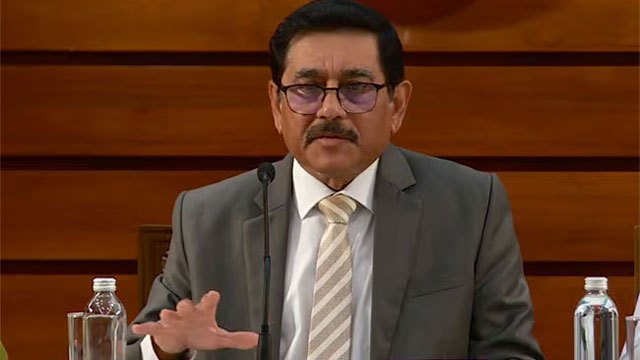
The Central Bank of Sri Lanka sees no need to raise interest rates again this year following its unexpected increase in May, Governor P. Nandalal Weerasinghe told Reuters on Tuesday.
Inflation is expected to peak around current levels before easing back towards the 5 percent target next year, the Governor said.
The May decision
The Central Bank surprised markets in May with a 100-basis-point increase, its first rate rise in more than three years, aimed at containing inflation driven by the war involving Iran. Analysts said at the time that the move risked the fragile, IMF-backed recovery taking hold in the economy.
Weerasinghe described the May increase as a “proactive” move taken because the Central Bank expected inflation to climb to 7 percent. Current inflation is broadly in line with those expectations, he said.
“We need to monitor … whether there will be any deviation from what we thought,” he said.
“Any decision going forward for us to tighten or loosen will be based on whether we are going to see a realisation of a deviated path from what was initially expected. So far, we have not seen (that).”
Inflation at a three-year high
Sri Lanka’s key inflation index rose to 7.3 percent in July, the fastest rate of increase in three years, driven by rising energy prices. Some analysts expect inflation to reach 8 percent by November.
The Governor said the full effect of the May increase would take 12 to 18 months to work through the economy. Hiru News, reporting the same interview, said the Central Bank expects inflation to return to the 5 percent target level by the first half of next year.
The remarks come as other indicators point to a steadier external position. Official reserves stood at US$6.59 billion at the end of July, and worker remittances passed US$5 billion over the first seven months of the year.
Sources: Ada Derana, Hiru News.