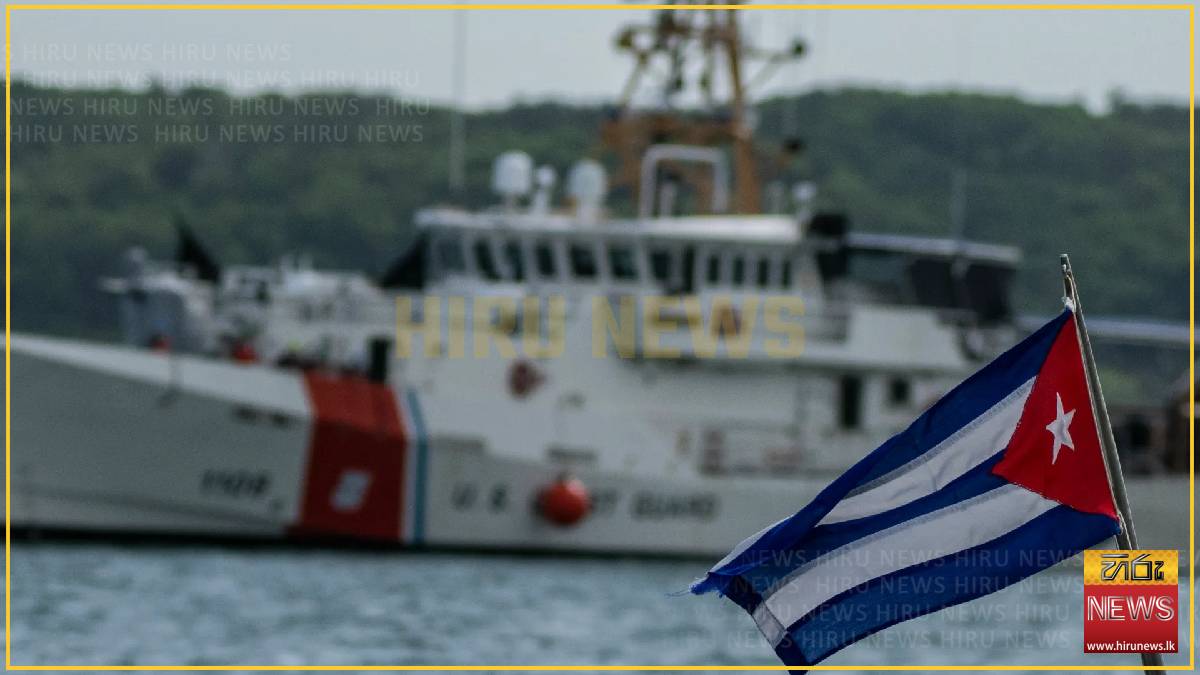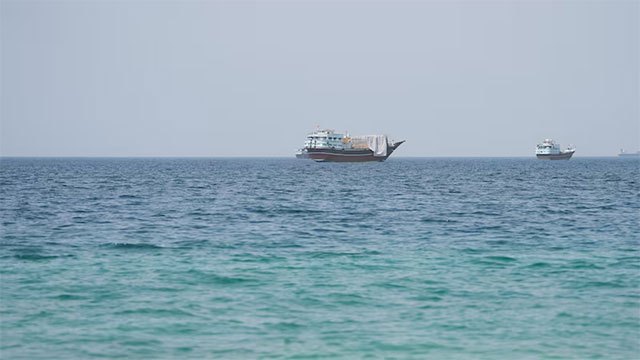
Transit through the Strait of Hormuz slowed to a near standstill on Friday, days after fresh attacks on shipping and as the United States said it could maintain its naval blockade of Iran indefinitely.
Two vessels passed through the waterway on Friday, according to ship-tracking firm Kpler: a grain ship entering Iranian waters and an empty dry bulk carrier heading the other way. A separate empty liquefied petroleum products tanker was sailing into the Gulf. No crude oil shipments were visible.
Nine vessels transited on Thursday, up from five on Wednesday but below the August average of 12. Some ships may pass undetected with their transponders switched off, but the figures remain far below the more than 130 ships that crossed daily before the war launched by the United States and Israel on Iran in February.
The slowdown follows the attack on two ADNOC vessels on Thursday evening, which the United Arab Emirates blamed on Iran. Tehran made no immediate comment.
Washington signals more pressure
US Defense Secretary Pete Hegseth said the navy could sustain its blockade of Iranian ports without a time limit. “Indefinitely, the United States Navy can maintain a blockade like that because we’ll rotate ships in and out, as we have, and we’ll continue to,” he told reporters during a trip to Panama.
Treasury Secretary Scott Bessent said further financial measures were coming. “Watch this space for more announcements coming next week because we are going to apply measures like have never been seen in the history of economic isolation on a country,” he said in an interview on Newsmax.
Iran holds its conditions
A senior Iranian source said on Wednesday there had been no progress in talks to build on the June agreement that ended the war. Since that ceasefire collapsed, Iran has resumed attacks on ships it accuses of transiting without its permission.
Tehran says the strait will not reopen until its conditions are met, including the removal of economic sanctions and the release of frozen Iranian assets. On Thursday an Iranian parliamentary committee approved a plan for the waterway that includes a provision banning the transit of US, Israeli and other “hostile” countries’ assets and equipment, the semi-official Tasnim news agency reported.
“Alongside the threat to energy infrastructure in the region, Iran’s ability to restrict shipping through the strait is its main source of leverage in negotiations,” said Torbjorn Solvedt, principal Middle East analyst at risk intelligence firm Verisk Maplecroft.
Brent crude and US West Texas Intermediate futures were both slightly higher, at about $87 and $81 a barrel. Roughly a fifth of global oil and liquefied natural gas flowed through the strait before the war, and the closure has raised freight and energy costs for importing economies including Sri Lanka. Tehran rejected President Donald Trump’s claim of “total control” over the strait earlier this week.