Sri Lanka’s prolonged dry spell has emptied small tanks and destroyed standing crops across the dry zone, with some areas having gone without rain for nearly four months, officials say.
The worst of the shortage is concentrated in Anuradhapura, Polonnaruwa and Monaragala, while parts of Jaffna, Ampara and Hambantota are also feeling the effects, Ada Derana reported. Numerous small tanks have dried up completely, creating difficulties for both communities and animals.
Crops lost at Mihintale and Thanamalwila
Around 30 acres of paddy have been destroyed for lack of water at Rotawewa in Mihintale, according to officials. The Rotawewa, Dunwattegama and Ihalagama tanks have all dried up, and residents of nearby Wellankulama have turned to groundwater to meet daily needs.
Several tanks in Thanamalwila, Monaragala — among them Kiwul Ara and Indi Pelessa — have also dried up completely. Farmers there have lost brinjals, maize, bananas, pumpkin, tomatoes and chillies to the dry conditions.
Heat readings and what they measure
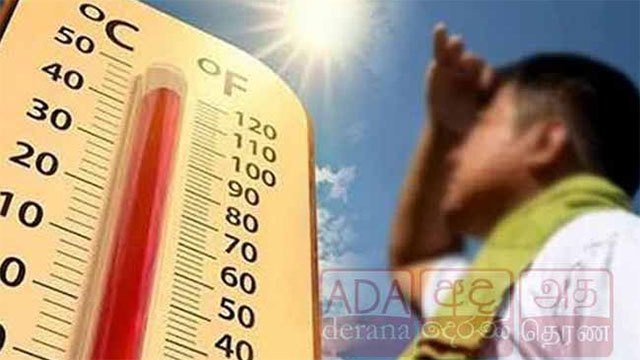
Ada Derana reported that temperatures are expected to reach between 39°C and 45°C in several districts, with the Department of Meteorology warning that the heat level requires public attention.
Readings in that range refer to the heat index — the temperature as felt by the human body — which the Sunday Times reported has climbed to concerning levels in the Eastern Province and in districts including Monaragala and Polonnaruwa. The department calculates the index from relative humidity together with maximum temperature, so it runs above the air temperature. Sri Lanka’s seven-district advisories this week have been issued on the same heat-index basis.
No relief expected before next year
Met Department Forecasting Division Director Meril Mendis said southwest monsoon rainfall is expected to decrease in the coming days, with dry weather forecast to continue in the Northern, North Central and Eastern provinces until September.
The department puts the probability of a severe El Niño developing in November, December and January at more than 80%, with effects expected to last until April next year. The country has yet to feel the peak impact of the current El Niño, which could cut rainfall further in early 2027.
The Disaster Relief Services Centre has recorded 68,041 people, or 21,873 families, affected by the dry weather, worst hit in Batticaloa, Ampara, Monaragala and Ratnapura. About 3,500 families face drinking water shortages and are being served by bowsers, which are also being sent to forest reserves and national parks to fill waterholes for wildlife.