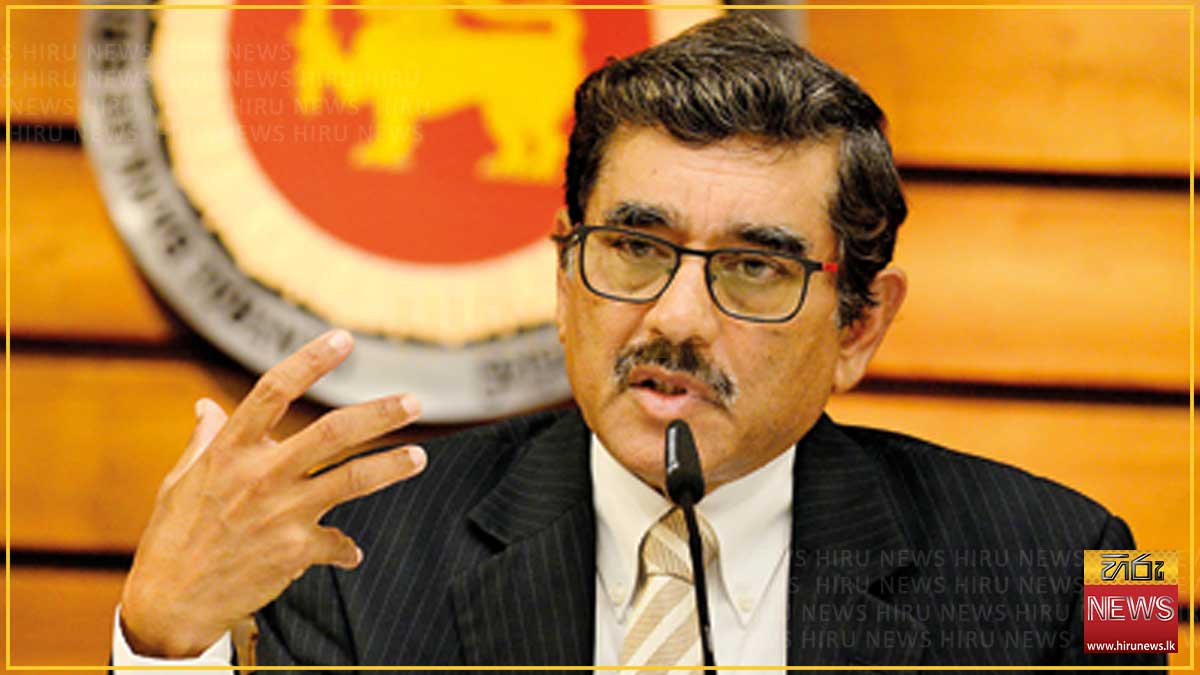
Sri Lanka Telecom Group reported an after-tax profit of Rs. 6.6 billion for the first half of 2026, a 54.4 percent increase on the Rs. 4,276 million it posted in the same period last year, as demand for broadband and enterprise services outpaced cost pressures.
Group revenue for the half rose 11.1 percent to Rs. 61,314 million from Rs. 55,167 million, Hiru News reported. Group EBITDA increased 13.7 percent to Rs. 24,126 million and operating profit rose 34.6 percent to Rs. 10,165 million. The group said it contributed Rs. 18,559 million to government revenue during the half.
For the June quarter alone, profit rose 55.32 percent to Rs. 3.53 billion on revenue of Rs. 30.52 billion, up 11.72 percent, EconomyNext reported. Quarterly operating profit was Rs. 5.03 billion and basic earnings per share Rs. 1.96. Total assets stood at Rs. 240.19 billion at end-June, up from Rs. 234.35 billion at the close of 2025, and net asset value per share was Rs. 58.81.
Broadband revenue grew 28 percent over the half. Chief Executive Riyaaz Rasheed said cost growth had slightly outpaced revenue in the quarter, with “64% of the revenue ended up as direct cost.” Operating costs rose 11.0 percent, partly reflecting 5G licence fees secured in December 2025.
The company’s debt-to-equity ratio improved to 0.69 from 0.76 after the early retirement of foreign debt. Shares traded at Rs. 88.50, up 0.57 percent.
Chairman Dr. Mothilal de Silva said the first half “marks a decisive milestone in SLT-MOBITEL’s journey.”
In a separate briefing the same day, the company set out its digital strategy, saying it has laid more than 70,000km of optical fiber and is connecting schools under a government digitisation drive, with 1,726 still to be linked by year-end. It said about 8,000 staff are undergoing AI training, that the SEA-ME-WE 6 submarine cable is due in early 2027 alongside the five systems now linking the island, and that 5G will be rolled out on a demand-driven basis with infrastructure sharing. De Silva said the group is “transforming from a telecom company into a technology company,” with planned expansion into fintech, healthtech, agritech and edtech.