All vehicle fines in Sri Lanka are to be settled exclusively online from September, and the first digital identity card remains scheduled for issue before the end of the year, according to a statement from the President’s Media Division.
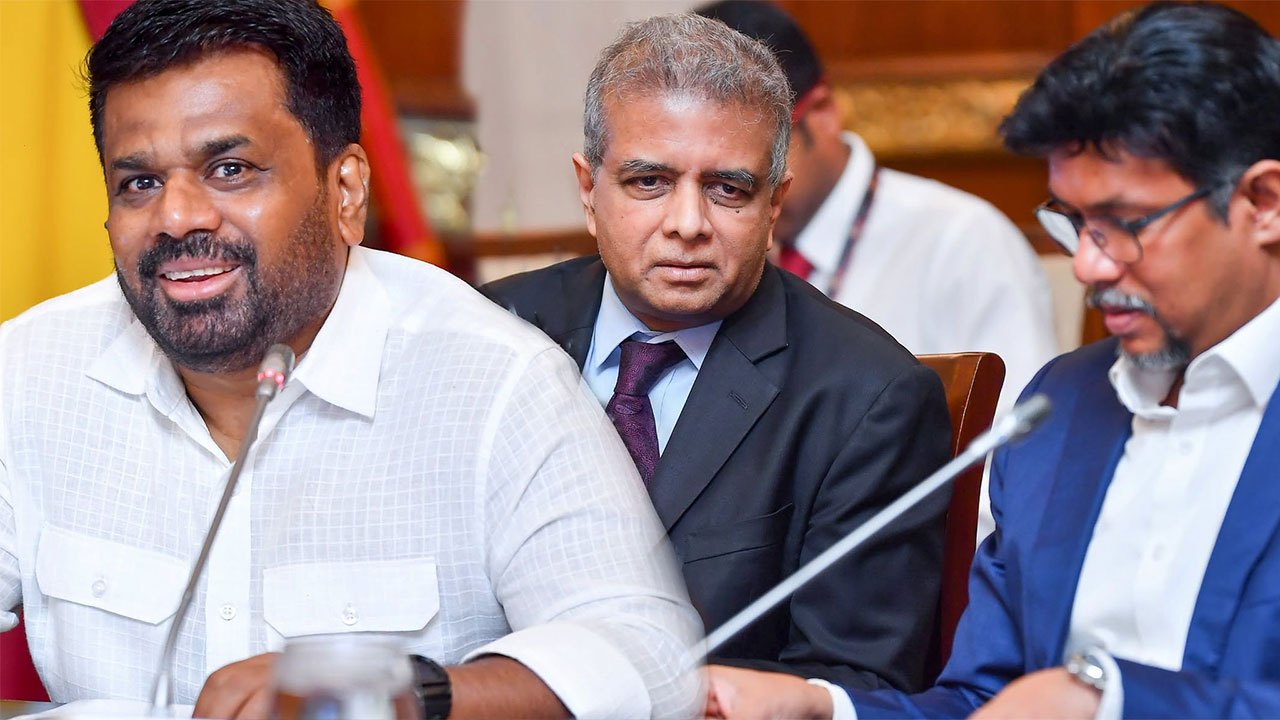
The announcements came out of a progress review on 2026 projects under the Ministry of Digital Economy, chaired by President Anura Kumara Dissanayake at the Presidential Secretariat on Wednesday.
What changes in September
The PMD said all necessary infrastructure is now in place for vehicle fine payments made anywhere in the country to be processed exclusively online through GovPay.
The significant word is “exclusively.” GovPay is not new — it was introduced in April 2025 and the rollout was completed across all nine provinces by January. The problem has been uptake. As of May, police said only about 12% of eligible traffic fines were actually being settled through the system, and the force went as far as threatening disciplinary action against officers who refused GovPay payments and directed motorists to police stations instead. Removing the cash alternative closes off that route.
Neither Ada Derana nor NewsFirst reported what happens to motorists without access to digital payment methods, or whether any exemption is planned.
Digital ID timeline holds
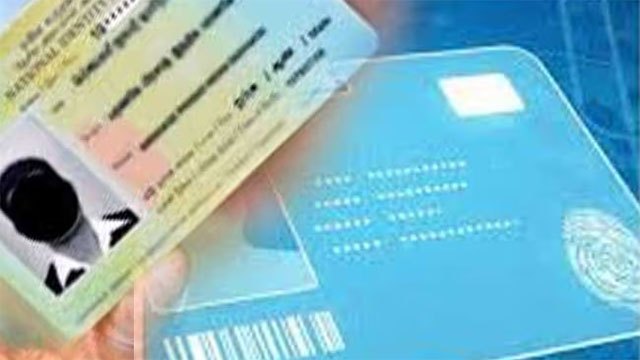
Ministry officials told the meeting that arrangements are underway and the first digital identity card is on track to be issued by the end of the year — consistent with the timeline Deputy Minister of Digital Economy Eranga Weeraratne gave a day earlier, when he said existing national identity cards will be phased out and roughly 17 million cardholders moved across within about two years.
The review covered a wide slate of other work: the National Super App, the National QR Drive, the National Data Exchange, number portability for mobile users, a government digital procurement platform, the Data Transmission Unit, the AI Data Centre and the GovTech Academy. Progress on standing up GovTech itself — infrastructure and recruitment — was also reviewed, alongside programmes run by the Department for Registration of Persons, the Telecommunications Regulatory Commission, SLCERT, the Data Protection Authority and Sri Lanka Telecom-Mobitel.
The President instructed officials to focus on establishing the Information Technology Service as an All-Island Service. The PMD said the programme is aimed at lifting the value of Sri Lanka’s digital economy to US$30 billion by 2030.
Weeraratne, Secretary to the President Dr. Nandika Sanath Kumanayake, Senior Adviser to the President on Digital Economy Dr. Hans Wijayasuriya and Digital Economy Ministry Secretary Waruna Sri Dhanapala were among those present.