The Ministry of Health has warned that prolonged exposure to direct sunlight in the current hot spell can cause a range of heat-related illnesses and, in severe cases, death.
Speaking at a media briefing on El Niño conditions held at the Health Promotion Bureau on August 19, Dr. Inoka Suraweera, a Community Health Specialist at the Ministry’s Environmental and Occupational Health Unit, said the prevailing high temperatures could bring on skin rashes, muscle cramps and other heat-related conditions.
Who is most at risk
Dr. Suraweera identified young children, elderly people and those with non-communicable or chronic diseases as particularly vulnerable. People who work outdoors, including those in agriculture, face increased risk.
She advised the public to avoid prolonged sun exposure between 11 a.m. and 3 p.m., when temperatures and solar radiation are most intense, and to drink plenty of water to prevent dehydration. She recommended boiled and cooled water, clarifying that “cool” does not mean ice-cold or refrigerated.
Other measures include wearing light-coloured clothing, covering the head, and using standardised skin-care products to reduce heat-related skin problems. People with chronic illnesses should keep taking prescribed medication at the correct dosage.
Arrangements have been made with the Ministry of Education to protect schoolchildren. Dr. Suraweera advised students to use hats or umbrellas when leaving school, limit unnecessary outdoor activity and stay in shaded areas where possible.
A rising global toll
Separately, Specialist Physician Dr. Nandana Dickmadugoda told NewsFirst that heat-related deaths are increasing worldwide. He said World Health Organization data indicates roughly 175,000 people die each year from heat-related complications, and that England alone recorded about 2,870 such deaths in 2026.
Dr. Dickmadugoda noted that humans are homeothermic, with the hypothalamus holding body temperature near 36°C regardless of surroundings, which is why sustained extreme heat places the body’s temperature-control system under strain. In several parts of the world, he said, heat now kills more people than extreme cold.
Context
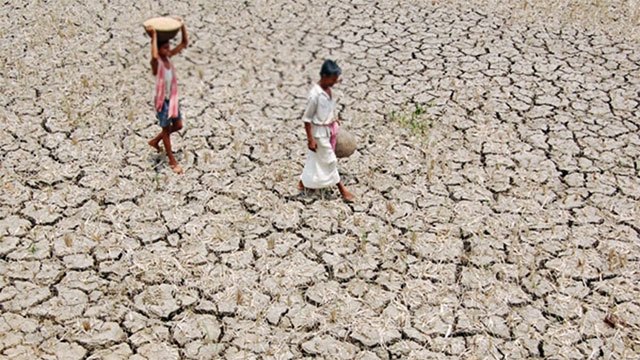
The warnings come as forecasters project the strongest El Niño in 75 years by year-end. Dry weather was already affecting 68,041 people earlier this month, and the heat index reached “Caution” level across seven districts in mid-August.