Sri Lanka Air Force helicopters have been deployed to airlift seawater over the Anawilundawa Ramsar Wetland Sanctuary, where a fire that broke out on Wednesday was still spreading on Thursday.
The Ministry of Environment said a special joint operation involving the tri-forces had been launched to bring the blaze under control, NewsFirst reported. Seawater is being lifted and released over affected areas of the sanctuary.
Daily Mirror, filing earlier in the day, reported that wildlife officials, the armed forces, the Disaster Management Centre, the divisional secretariat and local residents had joined the effort on the ground, and that arrangements were then being made to deploy air force helicopters fitted with Bambi Buckets. NewsFirst’s later report described those aircraft as already operating.
Dry weather and wind hampering containment
Crews are working to stop the fire spreading rapidly amid dry conditions and strong winds, both of which are hindering containment, according to Daily Mirror. The operation is being run under the direction of the Minister of Environment, the deputy minister and the ministry secretary.
The cause has not been established. The Department of Wildlife Conservation and the security forces are investigating whether human activity, negligence or the prevailing dry weather contributed to the outbreak.
A protected wetland under drought stress
Anawilundawa, in the Puttalam district, is one of Sri Lanka’s Ramsar-listed wetlands of international importance, a system of ancient tanks and mangroves that supports large populations of migratory birds.
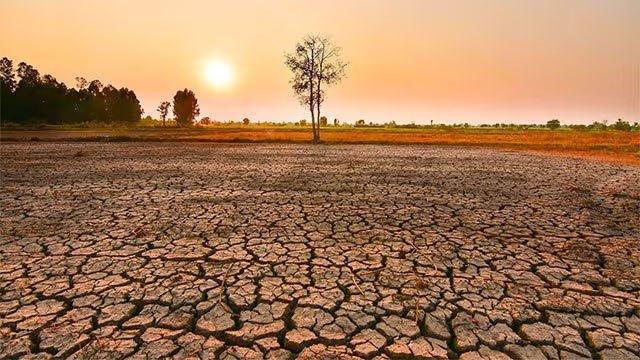
The fire comes as the island contends with a severe dry spell linked to the developing El Niño. The Environment Ministry said this week that the event has strengthened towards a “very strong” category, with emergency water distribution under way in six districts, and dry weather has already emptied small tanks across the dry zone.
Neither outlet reported the extent of the area burnt, any casualties, or damage estimates for the sanctuary’s wildlife.