The Catholic Bishops’ Conference of Sri Lanka (CBCSL) has expressed concern over the Cabinet decision to raise the statutory retirement age of judges, saying judicial independence and the separation of powers must be protected as the constitutional amendment moves through Parliament.
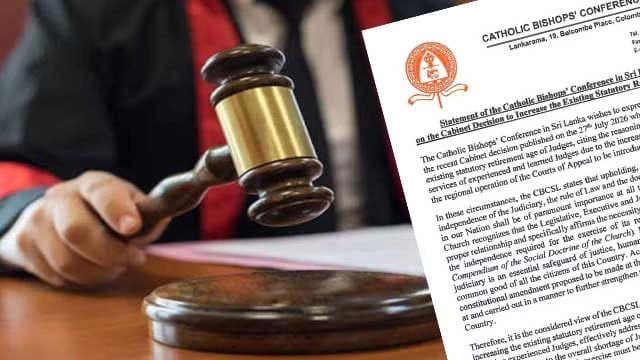
In a statement, the Conference referred to the Cabinet decision published on July 27, which justified the change as a way to retain experienced judges at a time when the number of courts is increasing and the Court of Appeal is to operate regionally.
The bishops said the independence of the judiciary, the rule of law and the doctrine of separation of powers must be upheld and protected at all times. An independent and impartial judiciary, they said, is essential to delivering justice, protecting fundamental rights and preserving human dignity and the common good.
Conditions, not outright opposition
The Conference stopped short of calling for the amendment to be dropped. It said instead that any constitutional amendment raising the retirement age should be designed to further strengthen judicial independence, and should primarily aim at retaining experienced judges, addressing the shortage of judicial officers and reducing delays in the administration of justice.
It also called for adequate public and stakeholder consultation before the amendment proceeds.
The statement was issued by Rt. Rev. Dr. Harold Anthony Perera, President of the CBCSL, and Rt. Rev. Dr. P. Anton Ranjith, Secretary General.
Growing institutional pushback
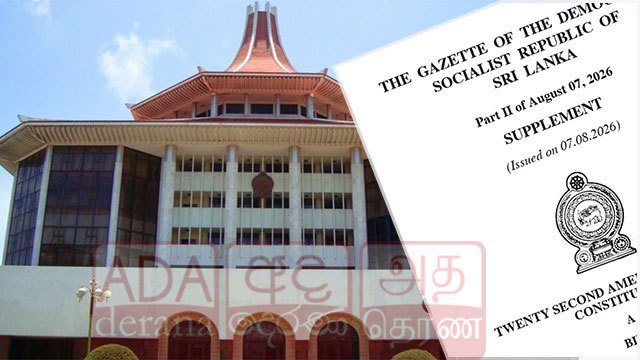
The 22nd Amendment would raise the retirement age of Supreme Court judges from 65 to 67 and Court of Appeal judges from 63 to 65. It was gazetted on August 7 and tabled in Parliament on August 18 over opposition objections.
The Catholic bishops are the latest religious body to weigh in. The Anglican Church in Sri Lanka called in July for the amendment to be withdrawn, saying its real motivation lacked good faith — a markedly sharper position than the one the CBCSL has taken. The Buddhist Chief Prelates wrote to the President opposing the move in early August and have since begun consulting the three chapters before advising him further.
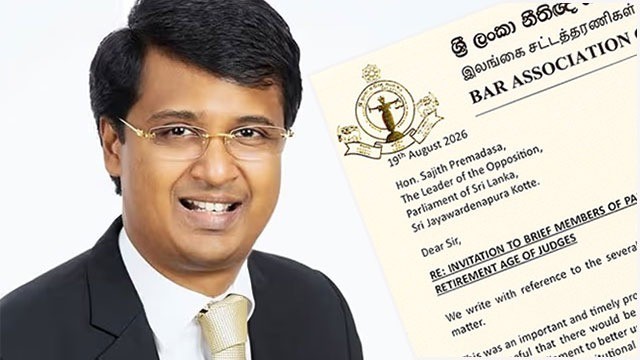
The Bar Association of Sri Lanka has said the amendment requires a referendum and should be halted, and dozens of petitions against it have reached the Supreme Court. Ministers briefed Cardinal Malcolm Ranjith on the government’s judicial and prison reform plans earlier this month.