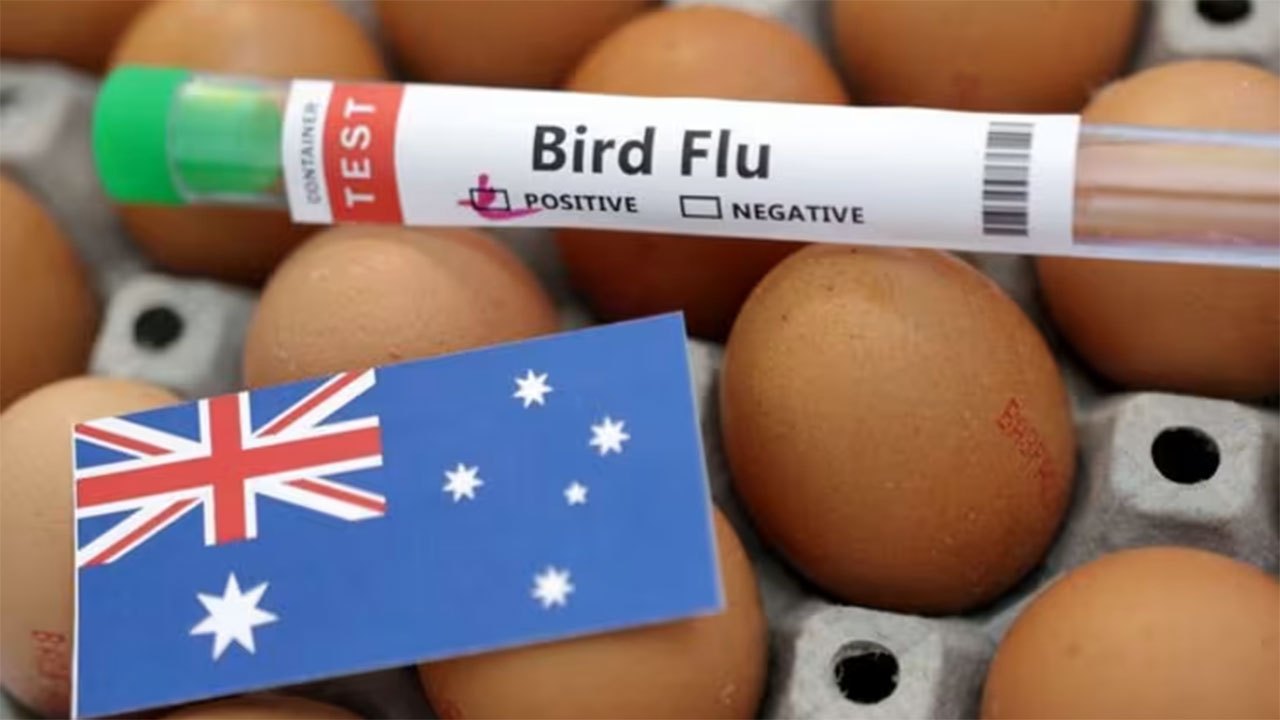
Australia has confirmed its first case of H5N1 bird flu in a mammal, after testing on a long-nosed fur seal found dead on the South Australian coast.
The seal was recovered at Beachport, roughly 300 km south of Adelaide, and had no signs of injury. Federal Agriculture Minister Julie Collins announced the result at a media conference in Hobart.
“This is sadly our first confirmed case of H5 bird flu in a mammal in Australia,” Collins said, adding that the detection was concerning but not unexpected in areas with high infection rates among wild birds. She said the case did not appear to be linked to other sick or dead marine mammals, and that the animal was most likely infected through exposure to infected wild birds or their shared environment.
The South Australian Department of Primary Industries and Regions said a member of the public reported the dead seal to the Emergency Animal Disease hotline on Wednesday, August 19. It was not initially treated as a suspected case because state-level testing was inconclusive.
Why seals are exposed
South Australia’s chief veterinary officer, Skye Fruean, said seals are at high risk because they haul out on rocky coastal outcrops alongside wild birds. “They would be coming across, no doubt, really high levels of the virus in their environment,” she said. The state’s waters hold an estimated 100,000 long-nosed fur seals.
Australia was the last continent to record highly pathogenic avian influenza, which reached the mainland in June. The first mass seabird deaths from the virus occurred this month. Authorities have now logged 298 positive H5 detections nationwide, 194 of them in South Australia, and say there is still no evidence of infection in poultry or agricultural systems.
Precedent in the south
The virus was detected in late 2025 on Heard Island, an Australian external territory in the Southern Ocean. South Australian Environment Minister Emily Bourke said it killed 13,000 seal pups there — about 75 per cent of the island’s pups.
Bourke said there is no cure and no off-the-shelf vaccine for mammals. A previously suspected case in a little penguin on Kangaroo Island has also now been confirmed.