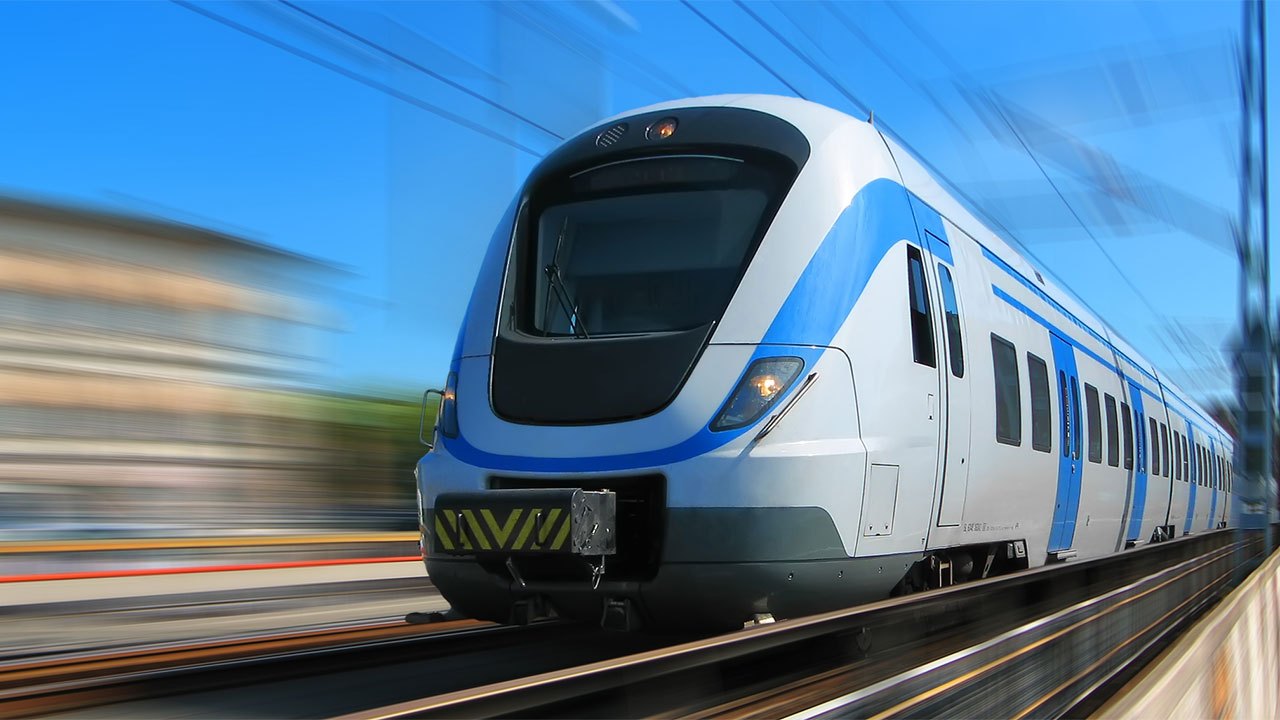
A new electric railway project covering Colombo and its suburbs is expected to begin next year, with preliminary planning already completed, Deputy Minister of Provincial Councils and Local Government Ruwan Senarath said on Sunday.
Senarath said the proposed line would begin from Maradana and is intended to give commuters a faster and more modern public transport service. He made the remarks while addressing a public meeting in Hambantota, where he set out several transport and infrastructure projects the government is pursuing.
“We are preparing that plan and will begin the project by next year,” he said.
Connecting with the southern line
Under the proposed system, passengers travelling to Colombo from the south on the Ruhunu Kumari service would be able to leave the train at Panadura and continue their journey by electric train.
The two newsrooms differ on where those passengers would start. Ada Derana reported the origin as Matara; the Daily Mirror named Beliatta, the current southern terminus of the extended coastal line. Neither report gives a route length, a cost estimate or a completion target for the electric railway itself.
Buses and expressways
Senarath also pointed to Metro bus services introduced in Colombo and nearby urban areas, saying they were providing improved facilities to passengers and strengthening the state transport network. He argued that modern public transport infrastructure was necessary, questioning why Sri Lankans should not have access to services comparable to those available internationally.
The Deputy Minister said several previously delayed transport and highway projects had been restarted, citing the Central Expressway, where he said construction on the remaining section had resumed after years of delays. He said a number of projects could be completed this year as construction accelerates.
He further said work had commenced on the Kurunegala–Galagedara Expressway at an estimated investment of Rs. 112 billion.
Responding to criticism that the government was not undertaking sufficient development work, Senarath said: “Who says we are not doing any work? Aren’t these projects work too? They are work.”