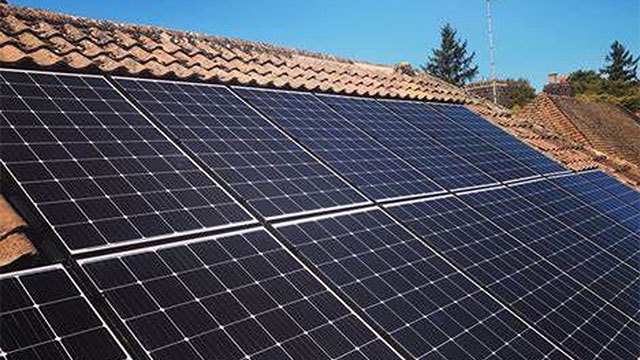
Energy Minister Anura Karunatilaka has set out a series of measures to add battery storage and solar capacity to the national grid, as prolonged dry weather raises the risk of pressure on Sri Lanka’s electricity supply.
The centrepiece is a 160-megawatt Battery Energy Storage System expected to connect to the national grid between October and December this year. Procurement is in its final stages for a further 250 megawatts of battery storage, with tenders already called — together making up the 410MW figure.
Karunatilaka said arrangements are also underway to call tenders for an additional 150 megawatts of ground-mounted solar power, with that process already initiated.
A separate programme is being planned to encourage operators of large rooftop solar systems — particularly those above 300 kilowatts — to install battery storage of their own. The government is considering tax concessions for selected investors to support the take-up of battery technology and accelerate clean energy investment.
Storage, not new generation
Battery storage does not itself generate electricity. It shifts supply, holding power produced when solar output is high and releasing it when demand peaks — which is the specific gap regulators have flagged for early 2027.
The Public Utilities Commission of Sri Lanka has directed the National System Operator to secure at least 450MW of solar PV with battery storage by March 2027, and on Monday approved higher feed-in tariffs for solar-plus-storage projects to draw developers in. The Commission separately capped the average monthly cost of the 160MW already offered at Rs. 20 per kWh, ruling that anything above that cannot be passed on to consumers.
PUCSL Chairman K. P. L. Chandralal warned the same day that El Niño conditions could lift electricity demand while reducing hydroelectric generation if reservoir catchments dry up.
Drought backdrop
Sri Lanka is in the grip of a dry spell that has affected more than 81,000 people across seven districts and prompted forecasters to warn the country could approach its 43-year-old national temperature record. The Department of Meteorology has put the chance of the current El Niño persisting into the first quarter of next year at 97%.
At the time of writing, on Monday afternoon, no other verified Sri Lankan newsroom had published its own report of the Energy Minister’s remarks — Ada Derana and the Daily Mirror had both filed on the PUCSL tariff decision but not on the ministerial programme.