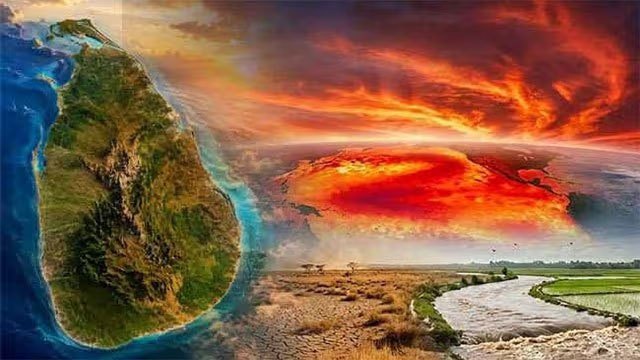
The El Niño conditions gripping Sri Lanka could work through to the wider economy by way of the power sector and the food import bill, economic analyst Dhananath Fernando said on Tuesday.
Speaking on Ada Derana’s BIG FOCUS programme, Fernando said a prolonged drought would bear first on hydropower generation. If the shortfall has to be met by thermal plants, Sri Lanka would need to import coal and diesel to run them — spending that puts direct pressure on the rupee, he told the programme.
Agriculture’s weight in the exposed regions
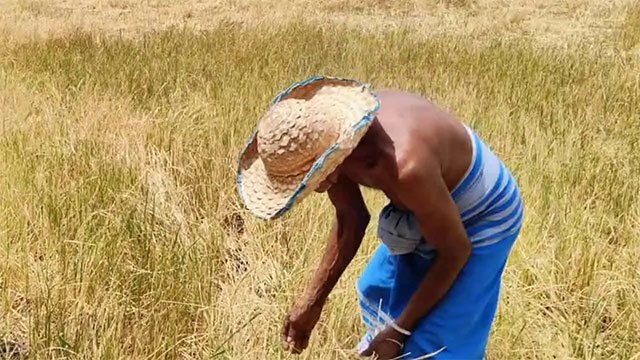
Fernando put roughly 25% of the workforce in the Northern and Eastern provinces in agriculture, with the sector contributing about 8% directly to the economy. On those numbers, he argued, damage to cultivation carries an economic cost well beyond the farm gate.
Food security is the second channel. If rice harvests fall short, he said, the country would have to import rice and other essential items — a second call on foreign exchange arriving at the same time as the fuel bill.
Taken together, Fernando said, weather damage to agriculture could slow economic growth and feed through to the economy as a whole.
The warning lands on an established picture
The analysis follows a series of official assessments. The Meteorological Department has described the current event as the strongest in living memory, and the President has convened committees on reservoir capacity and essential supplies. Cabinet approved Rs. 3 billion in immediate compensation for affected farmers this week.
The power-sector risk Fernando describes has already been raised by the regulator. The Public Utilities Commission warned last week of possible shortages, and its chairman argued that leaning on thermal generation is what destabilises electricity tariffs. Forecasters have also cautioned that the Maha season now beginning is the critical one for rice supply.
Fernando did not give a figure for the likely cost to growth, name a timeframe, or set out policy recommendations in the portion of the programme Ada Derana reported. Ada Derana identified him as an economic analyst and did not state an institutional affiliation.
Ada Derana was the only verified Sri Lankan newsroom carrying this interview when the article was filed on Tuesday afternoon; it was broadcast on the outlet’s own programme.