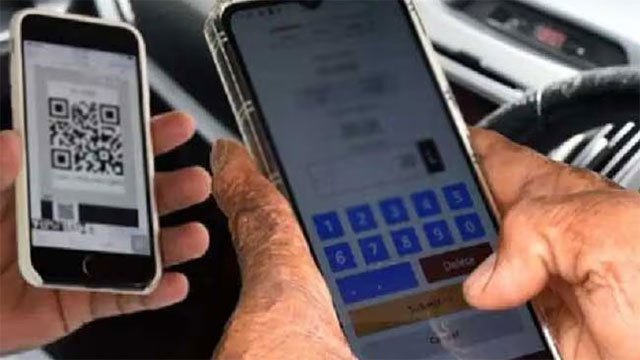
The government will keep the QR code-based fuel distribution system running for the foreseeable future, Cabinet Spokesman Minister Dr. Nalinda Jayatissa said on Tuesday, citing the unresolved conflict in the Middle East.
Speaking at the weekly Cabinet media briefing at the Department of Government Information, Jayatissa said continued uncertainty around the Strait of Hormuz was still feeding through to global fuel prices and supply, leaving crude prices volatile.
“The oil crisis has not yet been resolved. As a country, we are using this system to maintain daily life as much as possible without disruption,” he said.
The QR system, introduced during the 2022 fuel crisis to ration supply by vehicle, allocates each registered vehicle a weekly quota. Jayatissa said it remains the government’s main tool for managing supply while the external picture stays unsettled, and that fuel would continue to be released to essential sectors as a priority.
He also gave the first consumption figures since the current round of price increases. Diesel consumption has fallen by roughly 10 percent and petrol by about 9 percent — a decline the minister described as only moderate given both the reimposition of the QR requirement and the higher pump prices.
Jayatissa indicated the system would likely stay in operation for some time yet, until the global fuel situation improves.
The announcement lands alongside the government’s wider contingency planning for the Middle East disruption, which has already prompted reviews of importer stocks and essential food supplies. Neither Ada Derana nor the Daily Mirror reported any timeline for lifting the QR requirement, and the government has not said what conditions would trigger its removal.