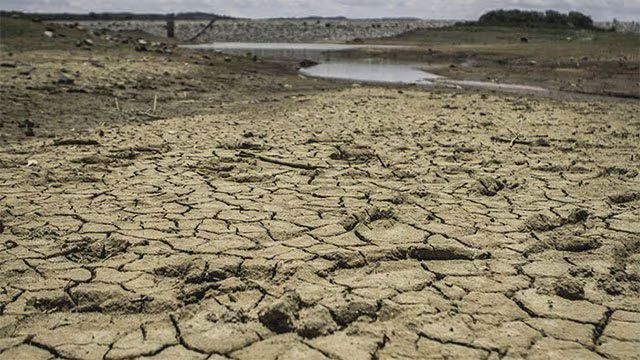
The government reviewed the stocks of essential food commodities held by importers on Tuesday, at a special meeting called to assess what the El Niño weather pattern could do to supplies and prices.
The discussion was chaired by Trade, Commerce, Food Security and Cooperative Development Minister Wasantha Samarasinghe at his ministry, Ada Derana and the Daily Mirror reported. Officials examined importers’ holdings alongside data from Sri Lanka Customs.
The risk is imported, not domestic
The Daily Mirror reported a framing Ada Derana left out, and it is the more important half of the story: officials expect El Niño’s direct effect on Sri Lanka to be minimal. The concern is indirect — that disruption to harvests in supplier countries feeds through to the availability and price of what Sri Lanka buys from abroad.
That distinguishes this meeting from the drought story running in parallel at home, where compensation for affected farmers and reservoir levels are the live concerns.
Commodities under watch
Both outlets list dhal, potatoes, dried fish and sugar among the items discussed. They differ on a fifth: Ada Derana names onions, the Daily Mirror names salt. Neither explains the discrepancy, and the item sits in the same position in both lists.
Samarasinghe urged importers to behave responsibly and to avoid statements that could stoke public alarm, telling them the matter should be treated as a national concern, according to the Daily Mirror. Representatives of essential food importers attended the meeting.
Officials agreed to keep monitoring market conditions and weather developments, and to act promptly on any emerging shortage or price pressure.
Also present were Ministry Secretary K.A. Vimalenthirarajah — rendered “Wimalenthirarajah” by the Daily Mirror — Consumer Affairs Authority Chairman Hemantha Samarakoon, Cooperative Wholesale Establishment Chairman Kosala Wilbawa (“Wilbhava” in the Daily Mirror) and Lanka Sathosa Chairman Ravindra Fernando.
Neither report gives current stock levels for any commodity, the number of months of cover they represent, or the price movements officials are working to prevent. The meeting is separate from the analyst warning published the same day that El Niño could reach the economy through hydropower and the import bill.