The Trump administration has given a name to the sanctions campaign it had trailed as Iran’s “Economic D-Day” — and signalled that China will not be spared.
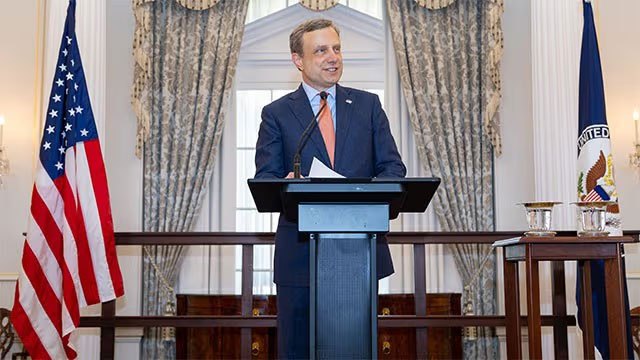
Treasury Secretary Scott Bessent unveiled the plan, dubbed “Operation Economic Outcast”, at the Treasury Department on Monday. The strategy is to isolate Iran’s economy by threatening secondary sanctions on what Washington calls the “enablers” keeping it solvent.
“We are launching an economic onslaught against Iran’s financial connections around the globe,” Bessent said. The objective, he added, is “to sever every economic lifeline that sustains this tyrannical regime until Tehran stands alone.”
Threats first, sanctions later
No sanctions have actually been imposed. Washington will instead send timelines to individual governments telling them to “shut down activities we have identified”, Bessent said.
“Any entity that facilitates money laundering on behalf of Iran will be removed from the U.S. dollar system,” he said. “The clock just started ticking.”
President Donald Trump has been telephoning world leaders with “specific requests to cease their interactions” with Iran, according to Bessent, who said the calls had already produced results. But the announcement named no countries. Iran’s largest trading partners are China, Turkey and the United Arab Emirates.
“We are level-setting with every country to tell them our expectations. We know who they are. They know who they are,” Bessent said, according to AP. “So when the hammer of U.S. Treasury actions falls upon them, they will have no one to blame but themselves.”
The China question
Asked directly whether Chinese banks would be targeted, Bessent did not carve out an exemption. “We want to make clear here today that no one is above the reach of U.S. sanctions,” he said. “If they facilitate transactions and are part of the ecosystem that turns Iranian oil into money, into repression, they will be targeted.”
That sits awkwardly against a fragile US–China trade truce holding since last year’s tariff escalation. Trump and Xi Jinping met in Beijing in May, and Xi is due in Washington late next month. Analysts quoted by AP expect Washington to calibrate any action against China carefully with that visit approaching.
Tehran dismisses it
Shortly before the announcement, Iran’s parliamentary Speaker and lead negotiator Mohammad Bagher Qalibaf said the US lacks the economic weight to cut Tehran off. “Iran’s trading partners, both in the media and through messages sent to us, have made it clear that they don’t take these statements into account anywhere,” he wrote on X.
The rial nonetheless opened at 2.02 million to the dollar on Monday, having been under pressure since well before the US and Israel attacked Iran on 28 February.
The plan lands as the war approaches its six-month mark with no military or diplomatic resolution in view. A weak June ceasefire had largely collapsed before its 60-day deadline expired last week, and the Strait of Hormuz — where Iran retains leverage — remains far quieter than before the war.
This report follows Monday’s coverage of the sanctions rollout and Tehran’s threat to halt all Gulf oil exports.