Nepal may need between $4 billion and $5 billion to rebuild after last week’s Himalayan floods, a bill equal to nearly a tenth of the country’s economy, Finance Minister Swarnim Wagle has said.
“The initial estimate is between $4-5 billion. Just an estimate,” Wagle told Reuters on Saturday. “We will require much less than what we needed for the 2015 earthquake. Loss and damage is being assessed.”
Measured against 2015
Wagle did not explain why the reconstruction bill is expected to fall short of the $9 billion spent after the 2015 magnitude-7.8 earthquake, Nepal’s worst recorded disaster. That quake killed nearly 9,000 people, destroyed more than half a million homes and caused losses estimated at around a third of the economy.
The comparison sets the scale of the current disaster: roughly half the earthquake’s reconstruction cost, and about a third of its economic weight.
Where the damage lands
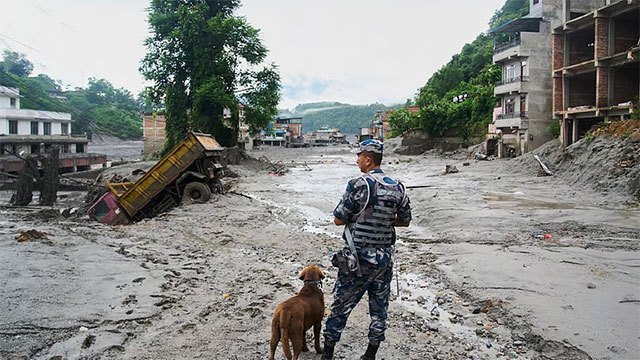
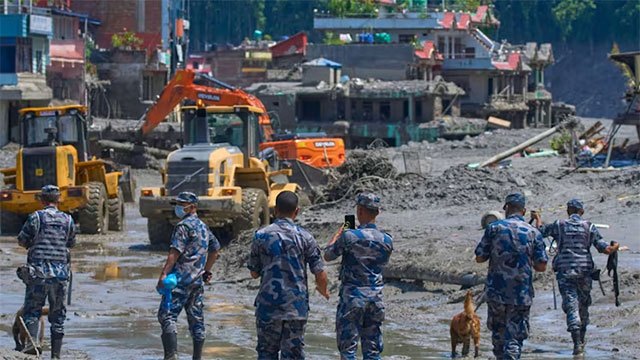
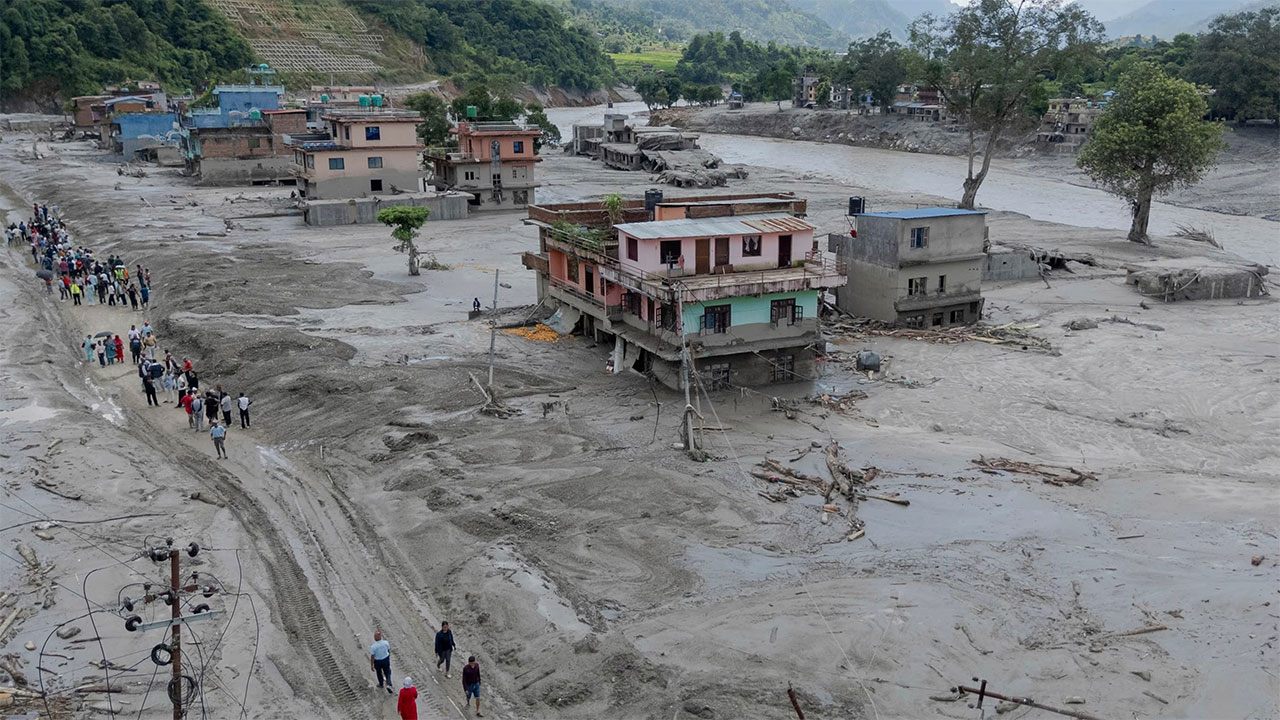
The glacier collapse on Wednesday last week sent a torrent of rock, ice, mud and debris through Himalayan river systems, levelling towns in the border area and sweeping away bridges and roads. More than 600 people have been killed in Nepal and China’s Tibet, with more than 2,000 still unaccounted for — figures that have since risen further.
The floods struck an economy that leans on remittances, tourism and hydropower. Power projects accounting for more than 12% of Nepal’s national generating capacity were damaged, putting a sector central to the country’s growth strategy — and to its electricity exports — directly in the path of the water.
The response so far
Nepal has asked for specialist technical assistance rather than search-and-rescue help, and international aid has begun arriving. Sri Lanka has extended $1 million in humanitarian assistance.
Ada Derana and Hiru News both carried the Reuters report; the two accounts are word-for-word identical, so they reflect a single wire filing rather than independent reporting.