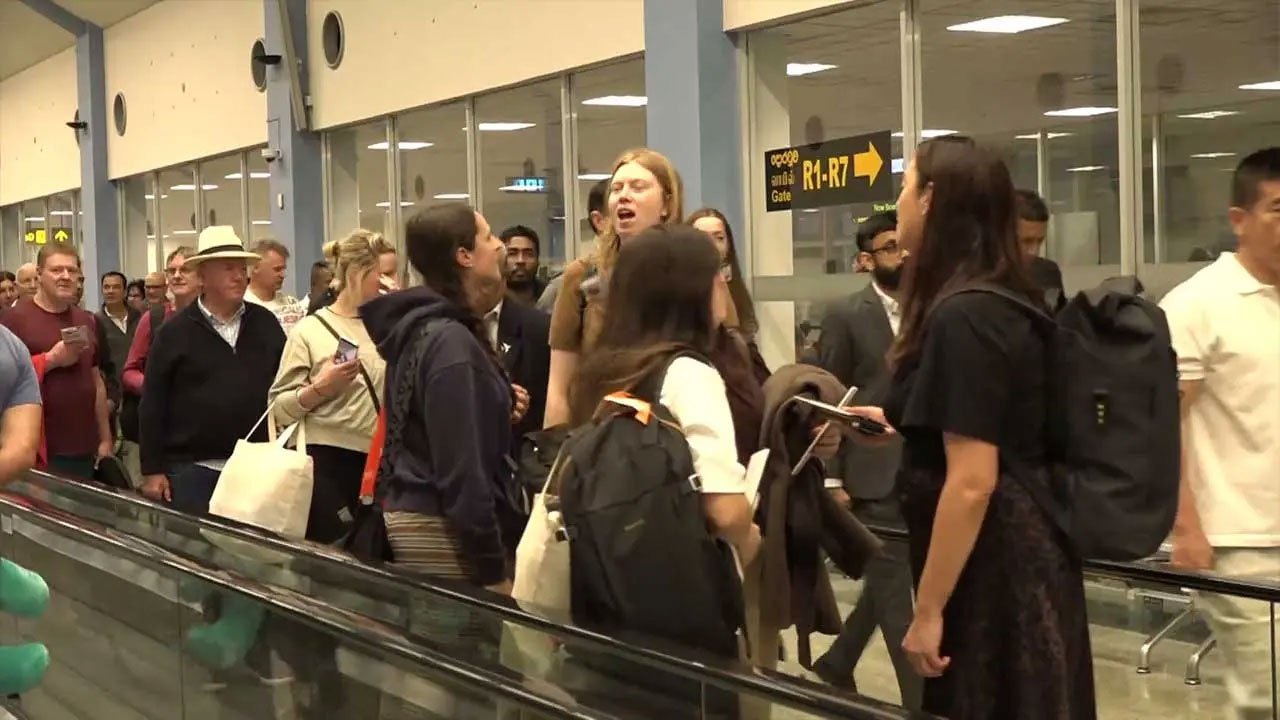
Sri Lanka has recorded more than 1.5 million tourist arrivals so far in 2026, with 1,517,296 visitors arriving between 1 January and 27 August, according to Sri Lanka Tourism Development Authority data reported by Ada Derana.
The milestone comes with a qualification the arrivals figure alone does not show. Newly appointed SLTDA Chairman Suranjith Wevita told Mirror Business that arrivals remain around 2% below last year’s levels, which he attributed to fallout from the continuing conflict in West Asia.
Where the visitors are coming from
India remains the largest source market by a wide margin, with 380,011 arrivals in the year to date. The United Kingdom follows with 148,598 and China with 99,875.
The same three led in August. Of the 173,878 arrivals recorded between 1 and 27 August, India accounted for 41,781, the United Kingdom for 18,197 and China for 11,368.
February was the strongest month of the year so far, with 279,328 arrivals.
The arithmetic of the 2.5 million target
Wevita said he expects the country to pass 2.5 million arrivals comfortably by the end of the year. That would require close to a million more visitors in the final four months.
The monthly average so far this year is roughly 190,000. Arrivals typically move closer to 300,000 in the peak months of November and December, which is where the chairman expects the bulk of the shortfall to be made up. August’s 173,878 over 27 days is running below the year’s own average, so the target depends on the winter season performing at its historical peak rather than at the current run rate.
Airspace disruption and new routes
Wevita said European inbound travel has faced headwinds from the escalating West Asia conflict, with the downturn particularly visible in the Netherlands during July and August, the traditional peak summer holiday period for Dutch travellers. Apprehension about flights transiting Middle Eastern airspace, together with rerouting and suspensions by carriers including KLM and Air France since January, has pushed up travel times and costs on the Europe–Sri Lanka corridors.
Against that, he pointed to connectivity gains. Russia’s S7 Airlines has announced plans for direct flights linking Novosibirsk in Siberia with Colombo. Jetstar began direct Melbourne–Colombo services in August, adding more than 100,000 low-fare seats a year to the route. British Airways is due to resume its London Gatwick–Colombo service on 23 October after a decade’s absence. Wevita also referred to a French carrier and several other airlines starting or resuming flights without naming them.
A shift from volume to yield
Looking past this year, Wevita described 2027 as a potential breakthrough year, driven by a pivot from chasing arrival numbers to maximising revenue per visitor. He said the SLTDA will concentrate on infrastructure and on the groundwork for premium, experience-based and sustainably branded offerings, building on an interim marketing campaign already running ahead of a full global rollout scheduled for next April.
The revenue argument has a precedent behind it: in 2025 Sri Lanka received about 2.36 million visitors, exceeding its 2018 level, but earned approximately US$3.2 billion.
A central plank is broadening tourism income beyond the southern coastal belt and Colombo, with the Northern and Eastern provinces the focus. Wevita said feasibility studies for a US$100 million World Bank-backed project have been completed, alongside similar groundwork by other multilateral agencies, which he said could allow new niche products to launch as early as next year. The push aligns with the World Bank’s REVIVE programme covering Jaffna, Pasikuda, Trincomalee and Arugam Bay.
What has not been reported
Neither outlet published earnings figures for the year to date, so it is not possible to say from the reporting whether revenue is tracking ahead of or behind the 2% arrivals shortfall. Neither gave a date for Wevita’s appointment or reported the circumstances of the change at the top of the authority.