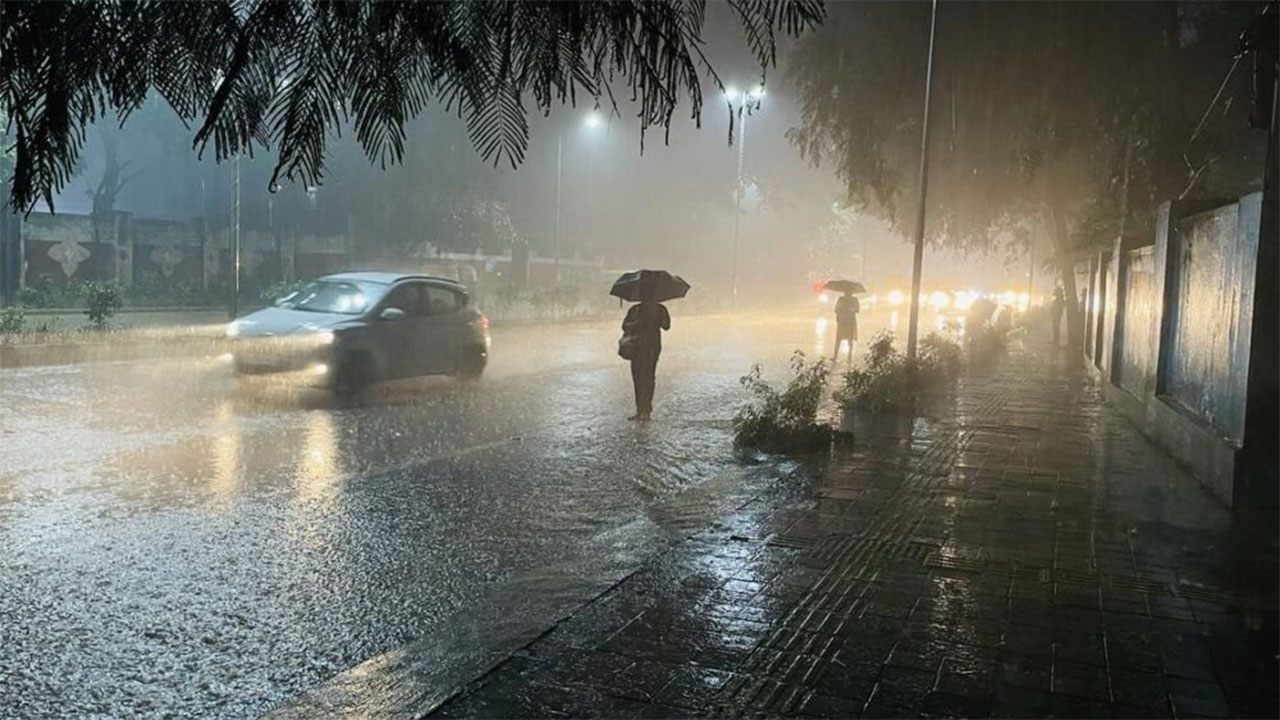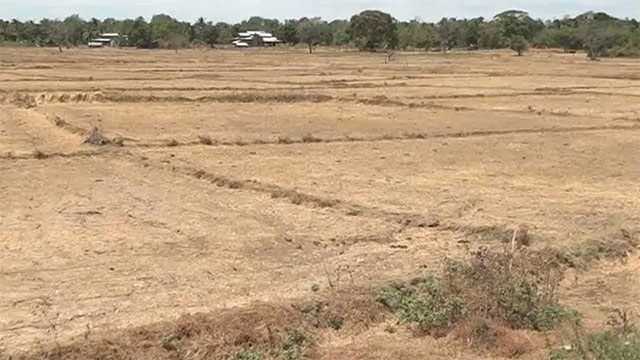
Heavy rain is expected on Friday and Saturday across districts that have borne the worst of this year’s dry spell, the Department of Meteorology said — while warning that the same El Niño now strengthening in the Pacific is likely to make early 2027 hotter and drier still.
Director General of Meteorology Ajith Wijemanna said the country should receive normal rainfall from around the latter part of September, Ada Derana reported. The Daily Mirror put it more cautiously, reporting the department as hoping more widespread rainfall could begin towards the end of the month.
The near-term forecast
Showers or thundershowers are forecast at several places in the Uva, Central and Eastern provinces and in the Polonnaruwa and Mullaitivu districts after 2.00 p.m. on Friday, with some areas receiving more than 75 mm. Several spells of showers are also expected in the Western and Sabaragamuwa provinces and in Galle and Matara.
Winds will blow from the southwest at 30–40 kmph, rising at times to 50–60 kmph in sea areas off Hambantota to Pottuvil and from Kankesanturai to Puttalam via Mannar, where seas may turn rough. Waves off Puttalam to Colombo, Galle, Matara and Pottuvil could reach 2.0–2.5 metres.
A third account, from Hiru News, frames the same forecast by duration rather than by day: rain may fall in several areas currently experiencing dry weather over the next 36 hours, in the Uva, Central and Eastern provinces and in the Polonnaruwa and Mullaitivu districts, with fairly heavy falls above 75 mm in some places. Hiru’s account matches Ada Derana’s province and district list exactly and adds no districts of its own.
The two fuller reports name different districts for the heavy rain. Ada Derana lists Monaragala, Ampara, Badulla and Batticaloa plus parts of the Eastern Province; the Daily Mirror lists Monaragala, Badulla, Mannar and Batticaloa. Three districts are common to both — Ampara appears only in Ada Derana’s list and Mannar only in the Daily Mirror’s. Neither outlet explains the difference, and residents of either district should treat both as forecast.
What El Niño does next
Wijemanna said the World Meteorological Organization’s latest assessment shows El Niño conditions gradually strengthening, with a high likelihood the phenomenon reaches strong intensity during October and November. That could significantly change Sri Lanka’s normal rainfall patterns.
Daytime and nighttime temperatures are then expected to rise considerably in December. Rainfall should fall well below normal in February, March and April 2027, he said, leaving relatively dry conditions across much of the island and the prospect of another severe hot spell.
That national outlook fills a gap in the picture. When the WMO said this week that El Niño is near certain to run to February 2027 and will turn “very strong,” neither outlet carrying the announcement gave a rainfall outlook specific to Sri Lanka. Wijemanna’s briefing is the department’s own reading of what that means locally, and it extends the horizon of concern past the Maha season into the following Yala.
Ada Derana dates the WMO assessment to “yesterday (04)” — an internal contradiction, since the 4th is the day of the briefing itself. The WMO statement was issued on 3 September.
Against the current dry spell
Relief, if it lands, reaches districts already in difficulty. Irrigation releases in Polonnaruwa were halted at the end of August, and the Disaster Management Centre has counted 88,068 people affected by crop damage. The Department also noted that the Sun is overhead at latitudes close to Sri Lanka from 28 August to 7 September, passing directly over Moratuwa, Kesbewa, Polgasowita, Handapangoda, Sri Palabaddala, Bogawantalawa, Idalgashinna, Yudhaganava, Kotiyagala and Panama at 12:08 p.m. on Saturday.
Not reported
No outlet said how much rain the drought districts would need to break the dry spell, whether the forecast rain is enough to resume irrigation releases, or what the department expects for the Second Inter-Monsoon that normally brings rain from October. None gave a probability for the February-to-April 2027 outlook or said when the department’s next seasonal update is due.