The water in Parakrama Samudraya has dropped far enough that the remains of a structure built inside it have resurfaced.
Storage in Polonnaruwa’s largest reservoir has fallen to around 66,000 acre-feet under the El Niño dry spell, and as the level receded the ruins of the Sitha Maligawa — believed to have been built by King Parakramabahu within the tank as a summer retreat — became visible, Ada Derana reported on Friday. Several small islands nearby have emerged with it.
The tank stopped supplying cultivation weeks ago. Releases from Parakrama Samudra and Giritale had already been terminated by 29 August, and the district shut off irrigation from its main reservoirs entirely in the first week of September.
Dead fish at the sluice gate
A large number of fish have been found dead around the Ekka Ela sluice gate of Parakrama Samudraya, with a foul odour spreading through the surrounding area.
Officials suspect the falling water level has reduced the oxygen content of what remains, and that the fish died as a result. Ada Derana attributes this as a working explanation rather than a finding, and reports no testing or official confirmation.
The villages that have run out
In Medirigiriya, residents of Kandurugaswewa village — Grama Niladhari Division No. 120 — are facing severe difficulty for want of drinking water. Mailagas Junction and Rambewa in the same division are affected in the same way, and the crops those villagers planted have been destroyed.
Livestock is now caught in it too. Dairy cattle are suffering as grazing land and water sources dry up together, the same pattern reported from Trincomalee this week, where milk collection fell from about 20 litres a day to five.
Further west, farmers in Thirappane, Mawathawewa, Pandikettuwewa, Puliyankulama and Kuttikulama say wild elephants are entering their farmlands at night and destroying upland crops — the plots they had managed to keep alive through the water shortage. The animals are under the same pressure as the cattle: the Wildlife Department has been trucking water into Yala since forest water sources failed.
Cracked beds in the Uva and Eastern tanks
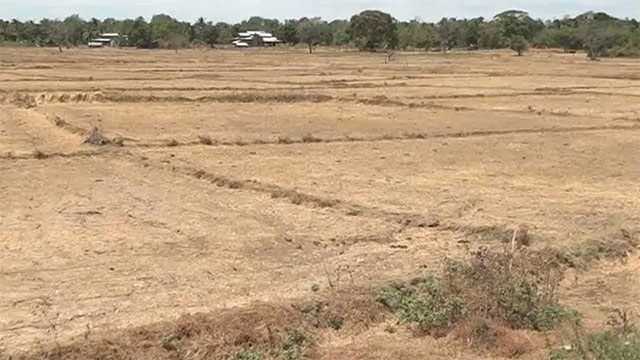
Conditions in Monaragala are still intensifying. The Yudaganawa Tank in Buttala has almost completely dried up, and the land at the centre of the tank bed has begun to crack.
In Ampara, the water level of Kora Wewa in Thirukkovil is falling, and migratory birds are now gathering at what is left of it.
In Badulla, bowsers are supplying drinking water to residents of Sirimal village and Kalan Watta.
Compensation is being paid as the tanks empty
Ada Derana puts the crop damage at 8,000 to 8,500 acres — a range slightly above the “nearly 8,000 acres” figure the government has used since 1 September — and confirms that the Agricultural and Agrarian Insurance Board began paying compensation on Friday, Polonnaruwa first, with all other districts due before the 15th. Those payments and the Rs. 3 billion behind them are covered in full here.
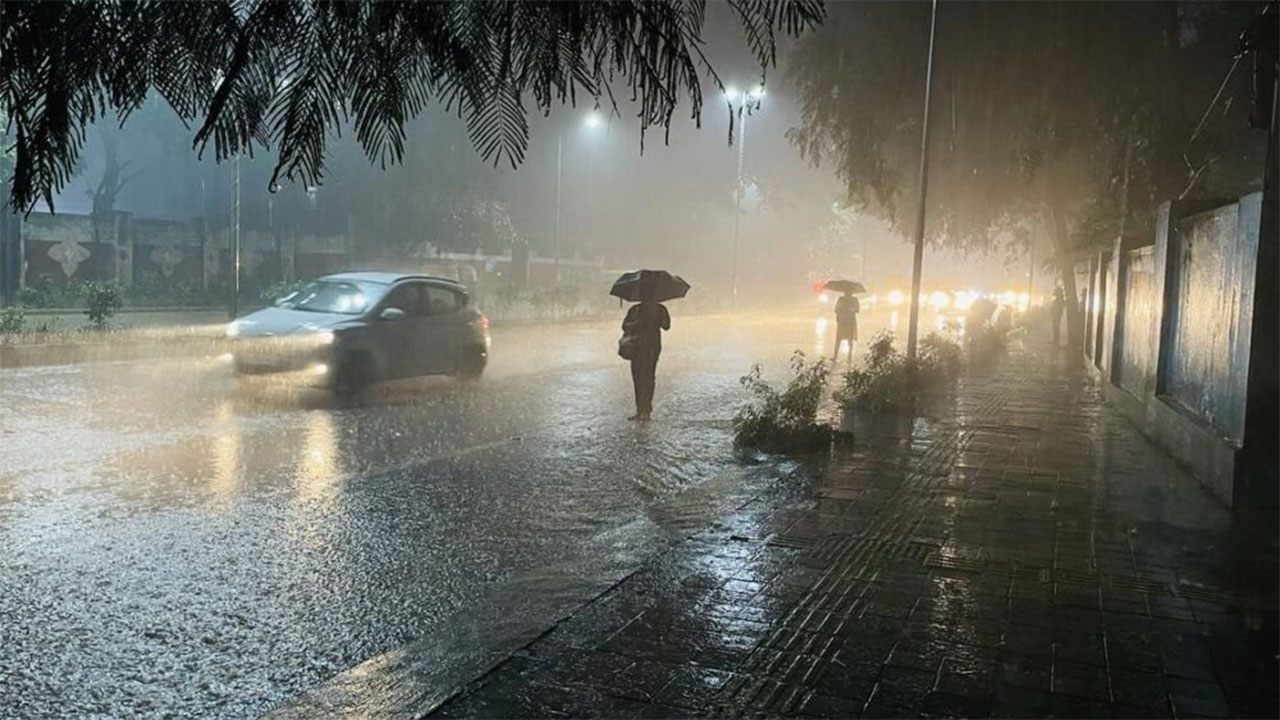
Rain is forecast for Polonnaruwa, the Uva and the east on Friday and Saturday. It will not refill a reservoir: the Department of Meteorology expects normal rainfall only from late September, and El Niño to reach strong intensity in October and November.
Not reported
Ada Derana does not give Parakrama Samudraya’s full capacity, so the 66,000 acre-feet cannot be expressed as a percentage, and it does not say when the Sitha Maligawa ruins were last exposed. It gives no estimate of the fish killed, no count of households without drinking water in Medirigiriya, and no figures for the elephant crop damage. No archaeological authority is quoted on whether the exposed remains are at risk while uncovered.
No other verified newsroom carried this report at the time of writing.