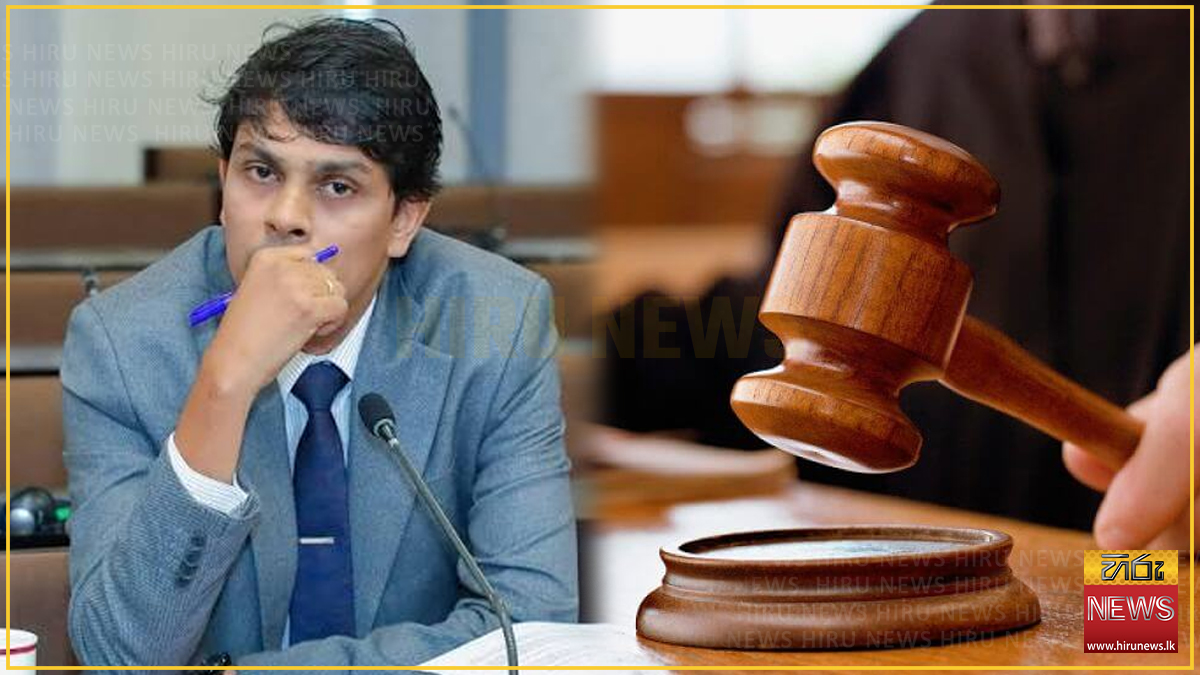
The proposed family doctor system should be introduced in a way that strengthens rather than undermines Sri Lanka’s free healthcare system, the chairman of the Doctors’ Trade Union Alliance for Medical and Civil Rights has said.
Specialist Dr. Chamal Sanjeewa told the Daily Mirror the concept could play a useful role in reducing overcrowding at outpatient departments in major government hospitals and in improving how patients are managed within the public system. His concern is what it might become in practice.
“The initiative should not eventually create a system in which patients are required to bear additional costs to access essential medical services,” he said.
An old idea, revived
Sanjeewa said the family doctor concept has been discussed in Sri Lanka for many years, but successive governments held back from implementing it because of political considerations and resistance from parts of the health sector. He said the previous government took initial steps towards it in 2015, though the conditions of the time prevented it from being carried through.
He described the current government’s effort as positive, but argued that several underlying weaknesses need to be addressed alongside the reform: overlapping health programmes, bureaucratic delays, difficulty maintaining consistent supplies of medicines and equipment, and questions about whether existing health spending — both from domestic allocations and international assistance — is producing practical benefits for the public.
He said reforms should also cover human resource management, recruitment, specialist training, disease prevention and pharmaceutical policy, and that any national strategy should account for both the public and private sectors. The additional responsibilities the system would place on specialists and other health workers should be weighed, he added, and the concept introduced gradually.
Where the family doctor model already appears
Family doctors are already the stated operating model for the government’s flagship primary care programme. When the Health Ministry launched its 1,000 Arogya wellness centres project on August 31, Health Minister Dr. Nalinda Jayatissa described the centres as community-based units led by family doctors working with multidisciplinary teams, covering early detection of non-communicable diseases and cancers, elderly care, rehabilitation, palliative and home-based care, adolescent health and primary mental healthcare. Jayatissa told the World Health Assembly in Geneva in May that 41 centres were then operational, with a target of 300 by the end of 2026 and 450 in 2027.
Sanjeewa has been among the more persistent critics of health administration this year, having raised shortages of cancer drugs and delays in linear accelerator procurement in recent months.
The Health Ministry has not responded to his remarks.