Yemen’s Tehran-backed Houthis attacked four cities in southern Saudi Arabia on Tuesday, wounding more than 70 people and setting oil installations on fire in what appears to be a significant widening of the six-month-old Middle East war.
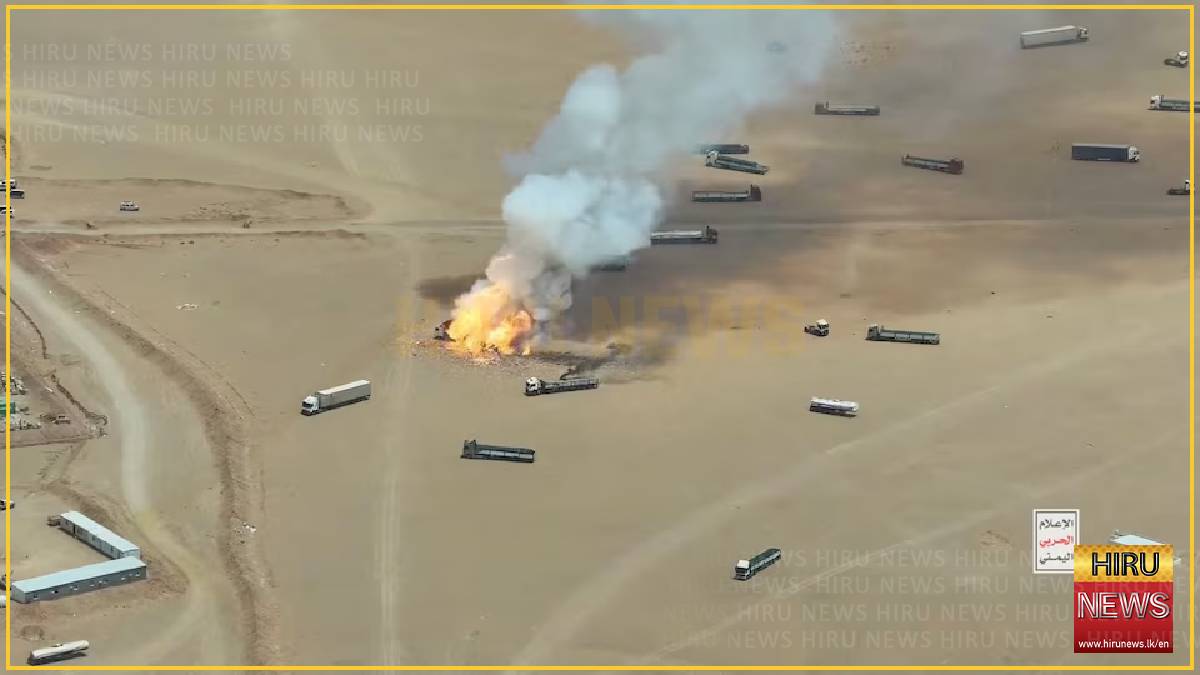
The group said it had launched a broad operation deep into Saudi territory. Drones and missiles struck a Saudi airbase at Khamis Mushait and targets belonging to the state oil company in Abha, Najran on the Yemeni border, and Jazan, a Red Sea port city housing a large refinery and a power plant.
Saudi authorities reported blazes at the sites and said women and children were among the 73 people hurt — among the largest casualty figures from any attack on Saudi Arabia since the United States and Israel began their war against Iran in February. Independent confirmation was limited: verified images of the aftermath were not immediately available and witnesses could not be reached in a country where media is tightly controlled.
Houthi-controlled media later said Saudi warplanes carried out four airstrikes in Yemen’s Jubah district, east of Sanaa.
Both sides trade warnings
“The coalition will take all necessary operational measures to deter this terrorist militia,” said Colonel Turki al-Malki, spokesperson for the Saudi-led coalition. Houthi spokesperson Yahya Saree accused Riyadh of escalating the war with airstrikes on Yemen and said his side would respond.
The wider Gulf conflict has become a contest of blockades. Washington is trying to push oil through the Strait of Hormuz while cutting off Iran’s exports just beyond it; Tehran says it will soon detail a “maritime exclusion zone” extending from the perimeter of the US blockade through the strait and into the Gulf. The International Organization for Migration said more than 18,500 people had fled their homes along Yemen’s west coast in three days.
Why it matters in Colombo
Brent crude rose more than 2% on Tuesday to above $99 a barrel, back to levels last seen in July. Attacks on southwestern Saudi Arabia threaten energy supplies beyond Hormuz, through which about a fifth of global oil and LNG shipments passed before the war — a direct exposure for Sri Lanka, which imports all of its crude.
The same conflict has reached Sri Lankan waters this week: the Foreign Ministry said on Tuesday that the US Embassy had raised the presence of Iranian vessels off the island, with 47 ships counted beyond the 24-nautical-mile line.
Both Sri Lankan outlets ran the same Reuters wire copy rather than independent reporting.