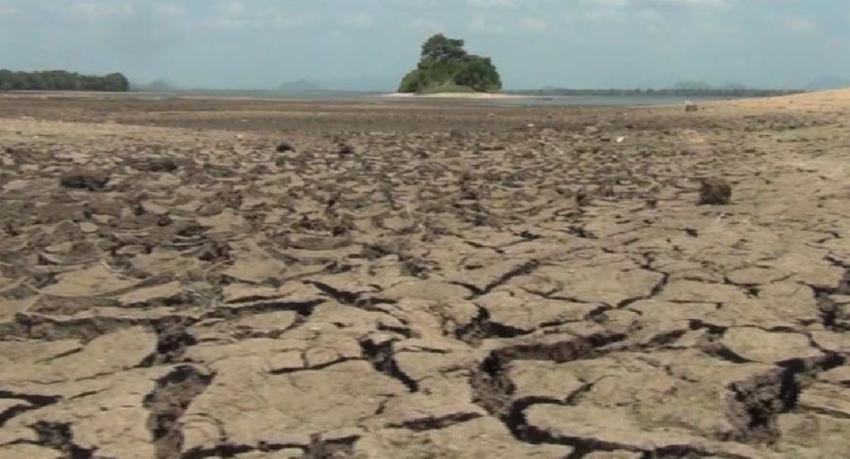
The number of people affected by Sri Lanka’s El Niño dry spell has reached 154,167, from 47,368 families across eight districts, the National Disaster Relief Services Centre said on Wednesday.
The affected districts are Ampara, Anuradhapura, Badulla, Batticaloa, Matale, Monaragala, Polonnaruwa and Ratnapura, NewsFirst reported. Monaragala remains the worst affected, at 42,429 people.
Drinking water distribution is continuing uninterrupted in the affected districts, said Prageeth Danansooriya, Senior Assistant Secretary and Media Spokesperson for the centre. Water is currently reaching 132,748 people from 40,945 families.
The new district is Matale
NewsFirst does not say which district has been added to the list. Comparing the eight named on Wednesday against the seven named on September 6 — Ampara, Anuradhapura, Badulla, Batticaloa, Monaragala, Polonnaruwa and Ratnapura — the addition is Matale.
That is the first time Matale has appeared in the count during this dry spell. Hambantota, which came off the list at the start of the month, has still not returned.
A steep four-day rise, and Monaragala is not driving it
The affected total has risen by 38,633 people and 12,219 families in four days:
| Date | People | Families | Districts |
|---|---|---|---|
| September 1 | 88,068 | — | 6 |
| September 5 | 115,534 | 35,149 | 7 |
| September 9 | 154,167 | 47,368 | 8 |
The composition of that rise has changed. Through early September, Monaragala accounted for roughly a third of the national caseload and was itself climbing. It has now gone from 41,360 to 42,429 — an increase of just 1,069 — while the national figure rose by more than 38,000. Monaragala’s share has fallen from about 36 per cent to 28 per cent. The growth is coming from elsewhere, and no outlet has broken out which districts.
The water figure finally tracks the caseload
The drinking-water number has been the least reliable line in this series. Three different figures were published for the same measure in three days at the start of the month — 86,368, then 34,608, then 113,354 — against an unchanged affected total, and no agency or outlet explained the movement.
Wednesday’s 132,748 is the first figure that sits coherently against the caseload it belongs to, covering 86 per cent of those affected. Whether that reflects a genuine expansion of distribution or a settled counting basis is still not stated.
Context
Compensation for ruined crops began paying out on September 4 at Rs. 100,000 per hectare, capped at five acres, from a Rs. 3 billion Cabinet allocation. Irrigation releases in Polonnaruwa were halted at the end of August, and the World Meteorological Organization has said El Niño is near certain to run to February 2027.
The Department of Meteorology has separately warned that the weather may turn to the opposite extreme, with heavy rainfall and flooding possible after the second week of October.
Not reported
NewsFirst does not name the new district, break out the seven districts other than Monaragala, or say whether the crop-compensation caseload has grown alongside the affected count. It gives no family figure for Monaragala, does not explain the jump in the water-distribution number, and does not say whether the rain forecast for early September reached the drought districts. No agency has published a rainfall threshold that would end the dry spell.
No other verified newsroom had filed on the 154,167 figure at the time of writing — the NewsFirst report was published at 7.27 a.m. Ada Derana, which has carried this count on previous days, returned a CloudFront block on every attempt.