The government has decided to go ahead with Sri Lanka’s first canal-top solar power project, a pilot scheme along the Viyana Canal in Mahiyanganaya, Hiru News reported.
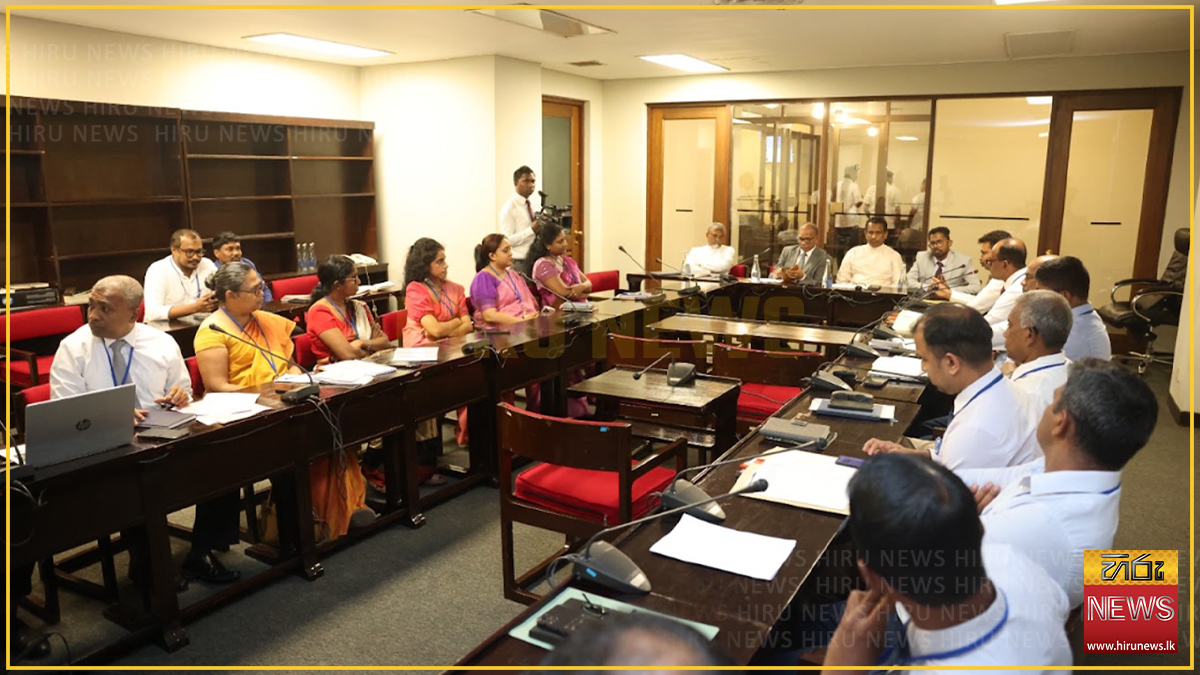
A progress review was held on Wednesday, 9 September at the Parliament complex, co-chaired by Minister of Plantation and Community Infrastructure Samantha Vidyarathna and Minister of Energy Anura Karunathilaka.
Under the initial phase, solar panels will be mounted over a 5-kilometre stretch of the canal to generate 5 megawatts of electricity for the national grid.
Vidyarathna said the appeal of the design is that it consumes no new land. Conventional solar plants require substantial land areas, he noted, while mounting panels above an existing waterway eliminates that requirement entirely.
The technology is new to Sri Lanka but is already in use internationally. Once the pilot’s performance on the Viyana Canal has been evaluated, officials plan to extend the model to other suitable waterways around the island.
From study to decision in seven weeks
This is a concrete step beyond where the project stood in July, when a preliminary feasibility study was getting under way following a field inspection at Mahiyanganaya on 20 July. That earlier reporting put the canal’s full length at more than 20 kilometres — so the 5km pilot covers roughly a quarter of it.
The July reporting also set out benefits beyond generation: covering the water is expected to cut evaporation and moderate water temperatures in extreme heat, with green hydrogen production raised as a longer-term possibility. The design was to include an electric fence to stop wild elephants falling into the canal. The concept follows canal-top installations pioneered in Gujarat, India.
Not reported
Hiru gives no budget, construction timetable, start date or contractor for the pilot, and does not say whether the feasibility study has formally concluded or what it found. It does not state who will build or operate the plant, or the tariff at which the power will be sold.
Note the spelling: Hiru writes Viyana Canal, while Daily Mirror’s July coverage rendered the same waterway as the “Vienna Canal.”
No other verified newsroom had reported the implementation decision at the time of writing; a domain-restricted search returned only the July feasibility-study coverage.