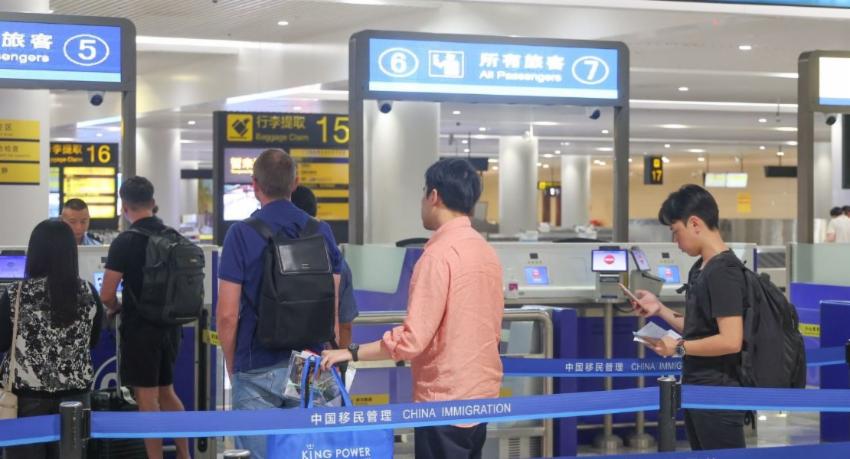
China has imposed new restrictions on overseas travel by its citizens, including exit bans for people who breach export controls or rules governing the transfer of technology, NewsFirst and the Daily Mirror reported on Tuesday.
A regulation that took effect on Tuesday allows authorities to bar people from leaving the country where violations could “endanger national industrial and technological security.” NewsFirst reports that no maximum duration is specified for bans imposed on that ground.
A separate provision covers citizens judged to have “harmed” China’s national security or interests while abroad; the Daily Mirror, carrying BBC reporting, says they can be barred from leaving for up to three years after returning.
In an explanatory note, authorities cited cases of Chinese citizens illegally transferring technology abroad after leaving the country without authorisation. Beijing has framed the measures as protecting technical knowledge and says they “safeguard national sovereignty and security,” denying that they restrict the travel of ordinary citizens.
Piyao, a Chinese government platform that publishes rebuttals of online claims, said last week the rules “do not restrict the travel of ordinary citizens, but rather serve as a preventative measure against high-risk destinations and individuals with unusual travel patterns,” and were issued to address people being deceived into leaving the country or drawn into illegal gambling and scam operations abroad.
Critics point to a widening practice
Professor Tom Kellogg, executive director of the Center for Asian Law at Georgetown University, told BBC Chinese the rules amount to “another tool designed to control what Chinese citizens do and say overseas,” adding that in some cases state security authorities refuse passports outright to deter criticism of the government or to punish rights advocacy.
Figures supplied to the BBC by the rights group Safeguard Defenders record a sharp rise in the practice: China’s supreme court database showed 89 records mentioning exit bans in 2016, against 188,760 last year. The share of civil verdicts dealing with exit bans rose from about 0.23% in 2019 to 7.3% in 2025.
Under the new rules, border officials are also required to advise Chinese nationals against travelling to countries and regions deemed “high-risk.”
Chinese citizens cannot check whether they are subject to exit controls, and in the absence of formal notification generally discover a restriction only when applying for documents or attempting to leave. China’s Ministry of Foreign Affairs and immigration authorities did not respond to BBC enquiries.