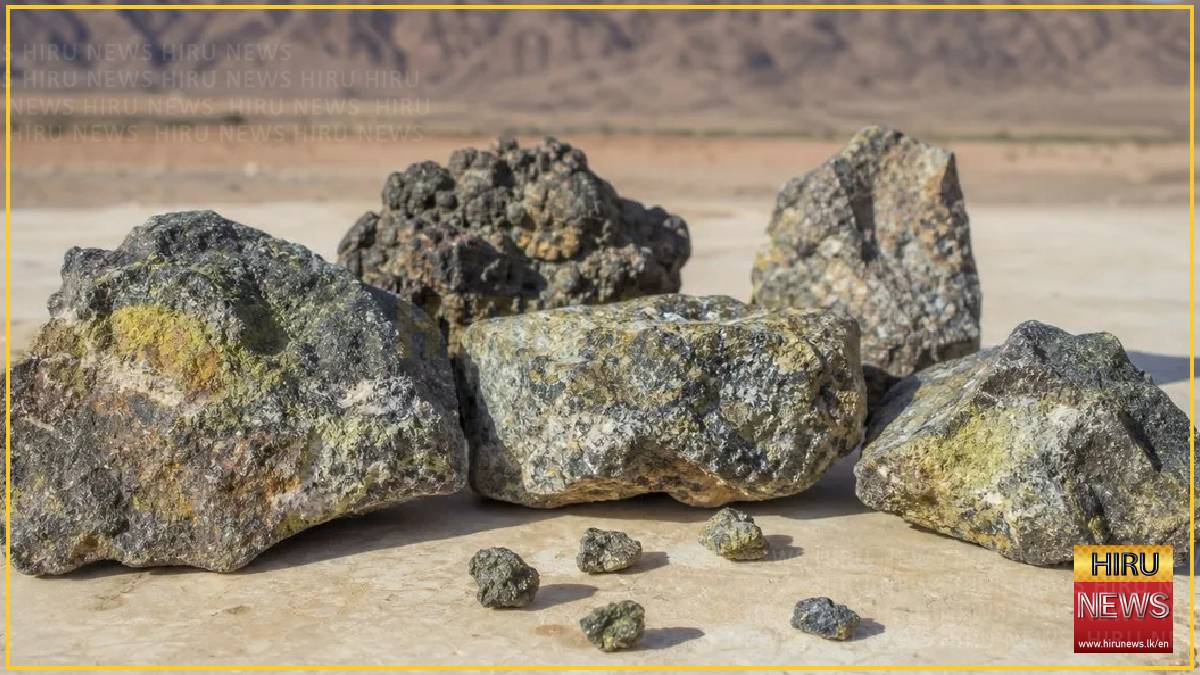
Saudi Arabia has identified 110 million tonnes of uranium-bearing raw material in the Medina region, Energy Minister Prince Abdulaziz bin Salman announced on Monday at the International Atomic Energy Agency’s General Conference in Vienna, Hiru News reported, citing Saudi state television and OilPrice.com.
Geological studies have found elevated uranium concentrations in the region. The Kingdom is separately assessing uranium that could be recovered as a byproduct of its large phosphate industry.
The number is ore, not uranium
The headline figure needs care. 110 million tonnes of uranium-bearing material is not 110 million tonnes of uranium. How much uranium is actually recoverable depends on the ore grade, the geology and the economics of extraction — and the IAEA itself cautions that identified uranium occurrences do not necessarily imply commercially recoverable resources.
The report gives no grade, no estimate of contained uranium and no indication of whether extraction would be viable at current prices. Without a grade, the tonnage alone says very little about what Saudi Arabia can actually produce.
Why Riyadh is announcing it now
The find matters because the Kingdom is moving to put nuclear power into its energy mix from a standing start. Saudi Arabia currently produces no uranium and has historically had no domestic enrichment industry, according to the OECD Nuclear Energy Agency and the IAEA.
In July, Saudi Arabia and the United States signed a civil nuclear cooperation agreement establishing the legal framework for American companies to supply nuclear technology and equipment to the Kingdom. The US Department of Energy described it as laying the foundation for a decades-long, multibillion-dollar partnership.
Prince Abdulaziz said the Kingdom’s nuclear ambitions are exclusively peaceful and would be pursued transparently in cooperation with the IAEA.
The minerals strategy
The announcement also fits a broader Saudi effort to make mineral resources another pillar of the economy. The Kingdom is already the world’s second-largest exporter of phosphate fertilisers and is increasingly targeting critical minerals and rare earths. Domestic uranium would extend that logic — Saudi minerals fuelling Saudi reactors.
Not reported
Hiru gives no ore grade, no estimate of recoverable uranium, no location more specific than the Medina region, and no timeline or cost for developing a mine. It does not say who conducted the geological studies, whether the deposit has been independently verified, or whether any mining licence has been issued.
It does not say how the find sits with the enrichment question that has been the sticking point in US–Saudi nuclear talks, nor whether the July agreement restricts domestic enrichment. No reactor construction timetable is given.
Single-source note. No other verified newsroom’s own report on this announcement could be confirmed within the freshness window. Coverage surfaced on regional and trade outlets that are not on this site’s verified list, so this article rests on Hiru News alone.