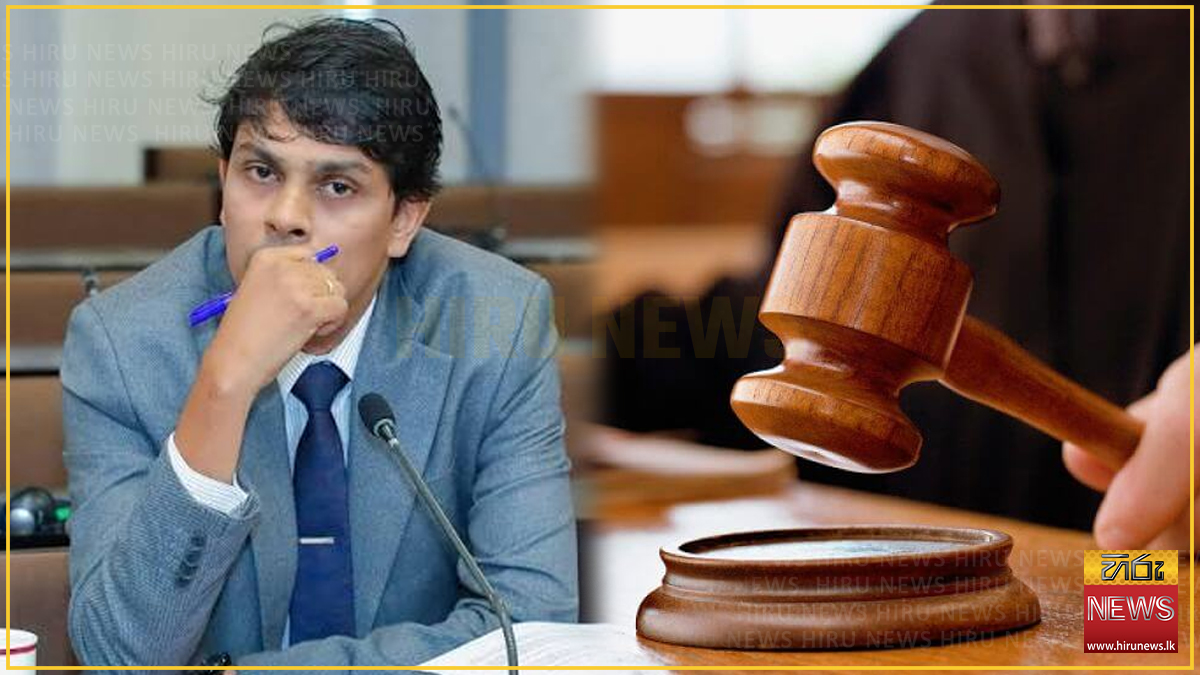
The government has taken no decision on reintroducing the death penalty, Health Minister Dr. Nalinda Jayatissa said, despite renewed calls to apply capital punishment to organised crime following continuing shooting incidents, the Daily Mirror reported.
Several proposals calling for reintroduction have been submitted, he said, and a proposal was also put to President Anura Kumara Dissanayake at a recent meeting on the issue. None has been acted on.
The government is proceeding under existing law, Jayatissa said, adding that eliminating organised crime could not be achieved “within a day or two” because the underworld operates through a widespread network.
The figures given
The minister put numbers to the government’s enforcement record:
| Measure | Figure |
|---|---|
| Shooting incidents reported so far this year | 37 |
| Deaths resulting from them | 17 |
| Firearms seized, 1 January – 10 September | 867 |
| T-56 rifles among them | 14 |
He said underworld activity had been brought under control “to some extent”, and that clashes between rival gangs reported earlier had now declined. Arrests and investigations targeting organised crime have been intensified.
A distinction the reporting does not draw
Sri Lanka’s death penalty debate has run on two separate tracks this year, and Wednesday’s remarks belong to the newer one.
In August, the question before the government concerned drug offences: a steering council considered capital punishment for drug trafficking as one option among several, and senior counsel set out the safeguards that would be required before any resumption of executions. The present calls concern organised crime and shootings, a different offence category with a different evidentiary profile.
This is also the second time in five days the government has said the same thing. On 12 September the President ruled out any pardon for the underworld while stating that no decision had been taken on the death penalty — a position on the exercise of executive clemency rather than on resuming executions, which no Sri Lankan government has ordered since 1976.
Jayatissa’s statement repeats that formulation rather than advancing it: the sentence continues to be imposed by the courts and has not been abolished, but no decision has been taken to carry it out or to widen its application. What is new on Wednesday is the enforcement data, not the policy.
Not reported
The Daily Mirror does not say who submitted the proposals for reintroduction, at what meeting the proposal was put to the President, or whether the government intends to respond formally. It gives no comparison figures for shooting incidents or firearms seizures in previous years, so the claim that gang clashes have declined cannot be tested against the numbers provided. It does not say how many of the 867 firearms were seized in connection with organised crime as opposed to other offences, or how many of the 37 shootings have resulted in arrests.
No other verified newsroom had filed on the remarks at the time of writing.