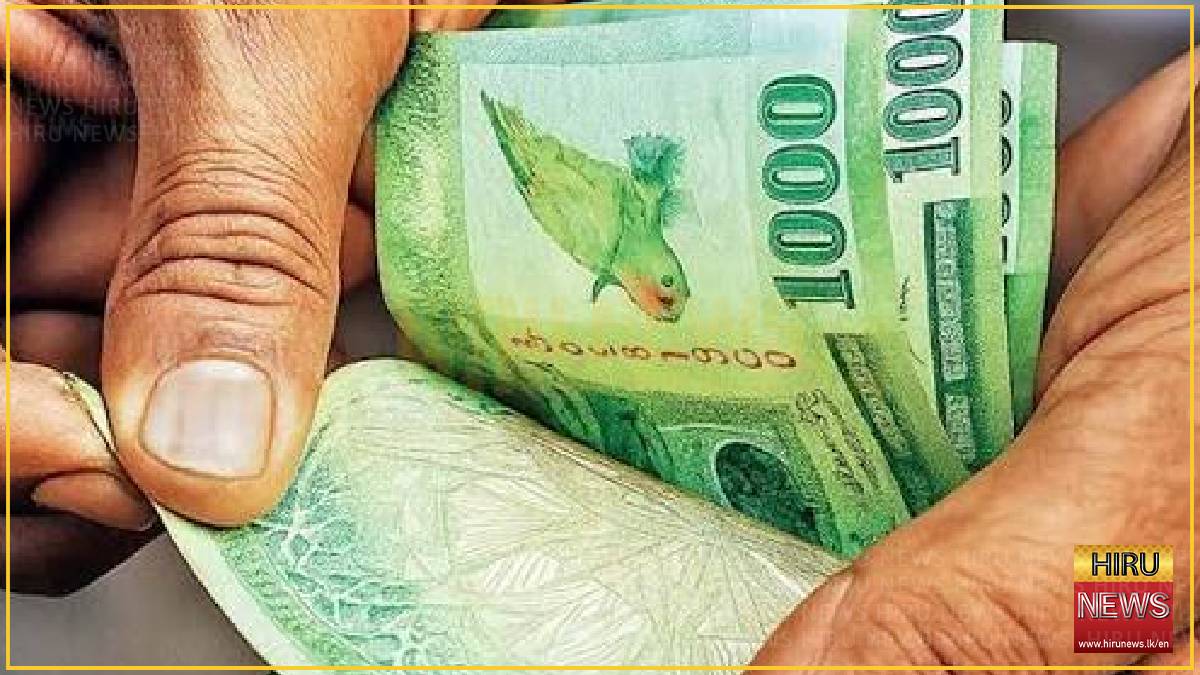
The suspected loss in the Aswesuma welfare fraud at the Norwood Divisional Secretariat has risen to nearly Rs. 30 million, which would make it the largest welfare fraud detected in Sri Lanka to date, Hiru News reported.
The method has also been described for the first time. State employees are alleged to have used the personal details of deceased elderly people to claim welfare funds intended for low-income families. Around 100 families are believed to have been affected.
Twenty state employees have been identified as suspects across the Norwood and Talawakelle Divisional Secretariats in the Nuwara Eliya District. Suspected losses at Talawakelle are put at about Rs. 2 million.
What has already happened
Information obtained under the Right to Information Act indicates action has been taken against 18 state employees in the Norwood case. Ten people have been dismissed from service — four staff attached to the Norwood Divisional Secretariat and six teachers. Two female state employees arrested under the Public Property Act have been in remand custody for more than 50 days.
The Audit Division of the Welfare Benefits Board has been investigating Norwood for over two months. Its final report has not been submitted.
How the figure has moved
The amount under investigation at Norwood has climbed steadily since the case surfaced. It stood at about Rs. 3 million when two officials were first arrested at the start of August, rose to Rs. 16.2 million by mid-August with five officers implicated, and now approaches Rs. 30 million with 20 suspects across two secretariats — a tenfold increase in seven weeks.
The Norwood case also seeded a wider inquiry. In August the Welfare Benefits Board took legal action against 14 officials nationally for diverting Aswesuma payments into personal accounts, and an audit committee was appointed to examine welfare and relief payments at all ten divisional secretariats in the Nuwara Eliya District for 2023 to 2026.
Aswesuma is the government’s main means-tested income-support scheme, replacing Samurdhi, and its payments are administered through divisional secretariats.
Not reported
Hiru does not say over what period the Rs. 30 million was drawn, how many deceased people’s identities were used, or how the payments passed the scheme’s verification checks. It is also unstated why six teachers were among those dismissed from a divisional secretariat case, whether the two remanded employees have been charged, when the Audit Division report is due, or whether any of the money has been recovered. No other outlet has yet carried the Rs. 30 million figure.