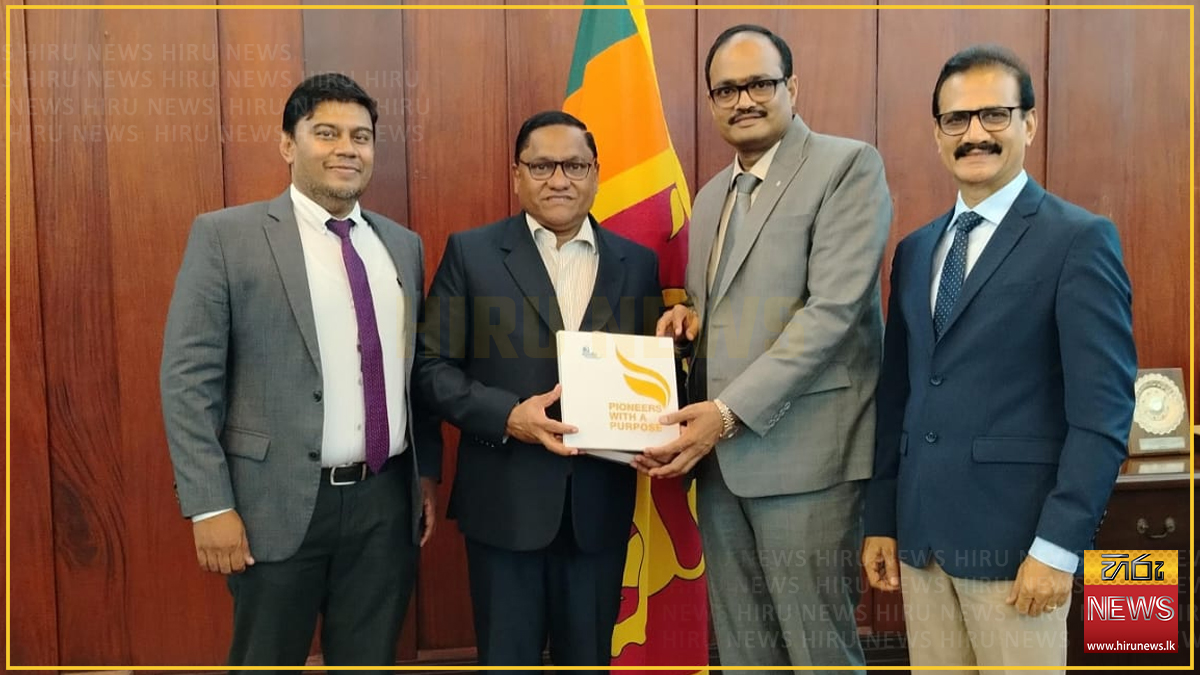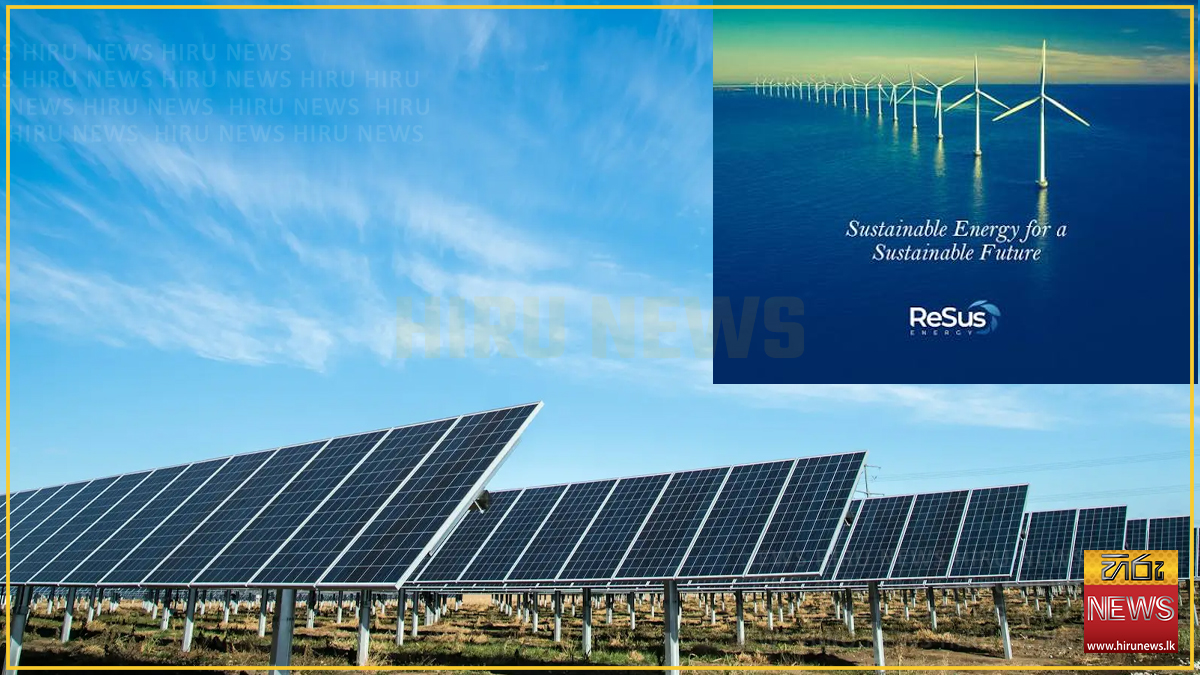
Resus Energy PLC has commissioned a 2MW solar power plant at Damana in the Ampara district, with the facility entering commercial operation on 18 September 2026, the listed renewable energy developer disclosed in a market filing.
The plant was developed and implemented through Resus Eastern Solar (Pvt) Ltd, a wholly owned subsidiary of Resus Energy, EconomyNext reported. It is expected to generate and supply approximately 3.5 GWh of clean energy annually to the national grid.
What the numbers imply
The company gives capacity and expected annual output but not a load factor. Taken together, 3.5 GWh from 2MW of installed capacity works out to roughly a 20% capacity factor — a derived figure, not one the company states, and within the normal range for fixed-tilt solar in Sri Lanka’s dry zone.
At household scale, 3.5 GWh a year is a modest contribution. Its significance is locational rather than volumetric: the plant sits in the Eastern Province, and the subsidiary built to own it is named for that region.
A hydro developer that keeps adding solar
Resus Energy describes itself as a Sri Lankan renewable energy investment and development company; its own name is an acronym for Renewable and Sustainable Energy. Its operational register lists both hydro and solar assets, including the 6MW Mahiyanganaya solar project at Welanpala, Rideemaliyadda, commissioned in May 2020, and the Karapalagama hydropower project on the Madulla Oya, commissioned in May 2021.
The Damana plant therefore adds to an existing solar footprint rather than opening one. Both outlets frame the commissioning as strengthening the company’s renewable portfolio and supporting Sri Lanka’s transition to sustainable energy.
The market reaction
Resus Energy shares closed at Rs. 8.70 on Monday, down 1.14%, EconomyNext reported — a fall on the day the commissioning was disclosed, though on a session when the ASPI itself shed 77.08 points to close below 21,000 with 135 decliners against 71 gainers. The stock moved with a weak market rather than against it.
Not reported
Neither outlet gives the capital cost of the plant, the tariff or power purchase agreement terms under which output is sold to the Ceylon Electricity Board, the land area it occupies, how long construction took, or whether Resus has further Eastern Province capacity in the pipeline. Neither states the plant’s expected operating life or whether any part of the investment was externally financed.